
Planting
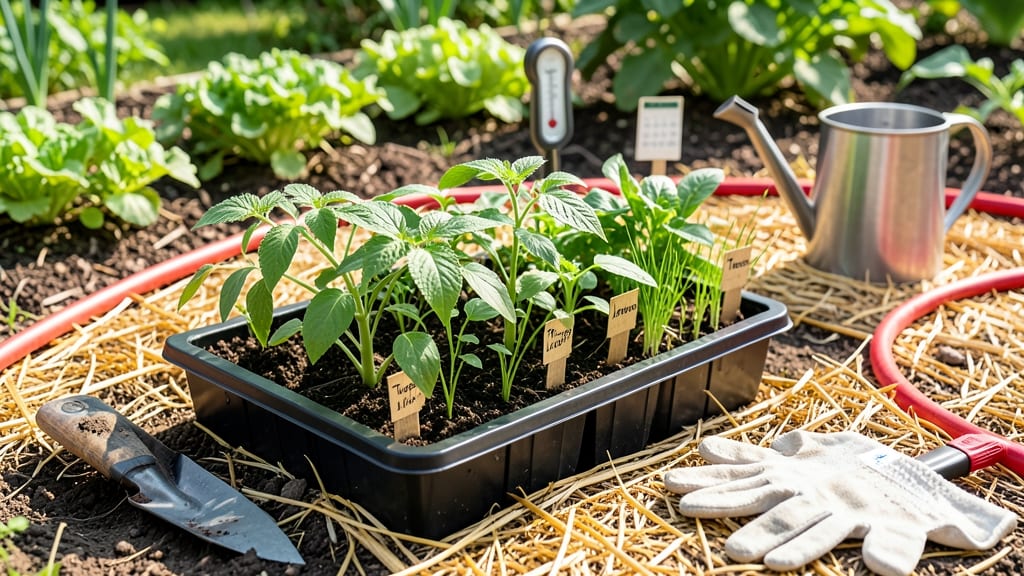
Planting a vegetable garden in NC starts with knowing your last frost date—because timing is everything when you’re dealing with 7a to 8b zones and coastal breezes that don’t play by the rules.
Miss the window, and you’ll either watch seedlings shrivel under a late frost or see your tomatoes bolt in the heat before they ripen. I’ve been there, and trust me—there’s no shortcut for getting this right.
North Carolina’s climate throws curveballs, from the mountains’ chilly springs to the coast’s delayed winters. But with the right month-by-month schedule, you can align your planting with soil warmth, rainfall patterns, and even lunar cycles for maximum yields.
Here’s how to pinpoint your exact frost dates, choose the best crops for your microclimate, and stretch your growing season—so you’re harvesting crisp greens in May and sweet potatoes in October.
NC planting zones & frost-free dates by region (2024 guide)
North Carolina spans USDA Hardiness Zones 7a through 8b, creating dramatic differences in frost patterns from the mountains to the coast.
In the Asheville region (Zone 7a), gardeners typically see their last frost around April 15, while coastal areas like Wilmington (Zone 8a) often hit March 1. These variations mean your tomato plants might thrive in one county but fail in another if planted at the wrong time.
Understanding your frost-free date is critical because it determines when to start warm-season crops like peppers and cucumbers.
The NC State Climate Office tracks these dates annually, and their 2024 averages show Zone 7b (Western NC) with a first frost around October 20, while Zone 8b (Coastal NC) may not freeze until November 25.
This 35-day difference can mean the difference between a bountiful harvest and wasted seeds.
Here’s how to use this guide: First, identify your USDA Zone using the NC State Extension Planting Map. Then, adjust your planting dates based on your microclimate—valleys freeze earlier than hilltops, and urban areas often stay warmer.
For precise timing, plug your ZIP code into the NC Frost-Free Date Calculator (linked below) to get your exact last frost date.
| USDA Zone | Region | Avg Last Frost | Avg First Frost | Frost-Free Days | Planting Adjustment |
|---|---|---|---|---|---|
| 7a | Mountains (Asheville, Boone) | April 15 | October 20 | 188 days | Start warm crops after May 1 |
| 7b | Piedmont (Raleigh, Greensboro) | March 31 | October 31 | 215 days | Safe for tomatoes by April 15 |
| 8a | Coastal (Wilmington, Fayetteville) | March 1 | November 15 | 259 days | Plant peppers as early as March |
| 8b | Outer Banks (Manteo) | February 15 | November 25 | 285 days | Longest growing season—try year-round greens! |
If you’re in Zone 7a (mountains), wait until mid-May to plant tomatoes and peppers, as early plantings often succumb to late frosts. Meanwhile, coastal gardeners in Zone 8b can start warm-season crops as early as March 1 and enjoy harvests well into November.
Even within a single zone, elevation changes of just 500 feet can shift frost dates by 1-2 weeks, so always check local records.
For cool-season crops like kale and carrots, plant 6-8 weeks before your first frost. In Zone 7a, that means August 15-September 1, while Zone 8b gardeners can sow until October 15. Use row covers to extend these windows by 2-3 weeks in cooler zones.
My personal trick? Plant spinach in early September—it sweeten up after a light frost, and you’ll have fresh greens when nothing else grows.
Microclimates play a huge role in NC gardening. A south-facing slope warms up 2-3°F faster than a north-facing one, letting you plant warm-season crops 10-14 days earlier.
Urban areas like Charlotte often stay 5°F warmer than rural zones due to the heat island effect, while valleys freeze earlier than ridge tops.
To account for this, I recommend planting a few test rows of bush beans or radishes—they germinate quickly and show you when soil temps are truly safe.
Don’t rely solely on averages—2024’s weather patterns could bring early frosts or delayed springs. The NC State Climate Office updates their frost prediction model monthly, so bookmark their Frost-Free Date Tool for real-time adjustments. Pro tip
Best planting times for NC vegetables: cool vs. warm season crops
North Carolina’s varied climate means cool-season crops thrive in early spring and fall, while warm-season vegetables need summer’s heat. Timing is everything—plant lettuce too late, and it bolts; delay tomatoes, and you’ll miss peak flavor.
Let’s break down the ideal windows for your NC garden, whether you’re in the mountains or coastal plains.
Cool-season crops like broccoli and spinach love temperatures between 40°F and 75°F. In NC, this means planting in early spring (March-April) or late summer (August-September) for fall harvests.
Warm-season stars like peppers and okra need soil above 60°F, so wait until after your last frost date (typically mid-April to May depending on your zone).
| Crop Type | Best Planting Window | Succession Planting Tip | Harvest Time |
|---|---|---|---|
| Lettuce | March-April, August-September | Sow every 2 weeks for continuous harvest | 60-70 days |
| Broccoli | March-April, August | Transplant seedlings 12" apart | 80-100 days |
| Spinach | March-April, September | Thin seedlings to 3" apart | 40-50 days |
| Tomatoes | May-June (after frost) | Stake plants early for support | 60-85 days |
| Peppers | April-May (start indoors) | Use black plastic mulch for warmth | 70-90 days |
| Okra | May-June (soil >65°F) | Plant in warmest microclimate | 50-60 days |
For succession planting, use the "cut-and-come-again" method with leafy greens. Harvest outer leaves of lettuce or spinach to encourage regrowth, then resow every 2-3 weeks through summer.
This keeps your kitchen garden productive even when main crops finish. Pro tip: Radishes mature in just 30 days, making them perfect "filler" crops between slower growers.
Warm-season crops like tomatoes and peppers need consistent warmth. In NC’s Zone 7a-8b, wait until soil temps hit 60°F+ (test with a soil thermometer).
Start pepper seeds indoors in February-March for transplants ready by May. Okra, a heat lover, thrives in NC’s summer and can even handle 90°F+ temperatures—ideal for our Piedmont and Coastal regions.
Don’t forget fall planting! Cool-season crops planted in August-September will thrive as temperatures drop. Use row covers to protect tender greens from early frosts, extending harvests into November.
In mountainous areas (Zone 7a), aim for late July plantings, while coastal zones (Zone 8b) can push to early September for a second harvest.
Your NC garden’s success starts with timing. Use local frost data (check NC State Extension for your county) and adjust for microclimates—valleys stay cooler, south-facing slopes warm faster. With this schedule, you’ll enjoy fresh tomatoes in July and crisp spinach in October—all without guessing! 🌱