
Planting
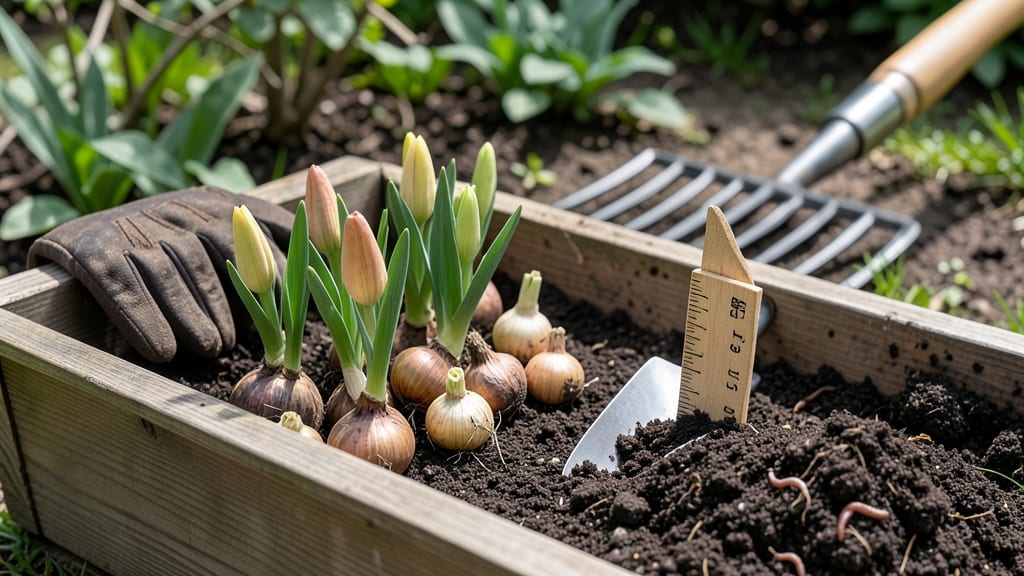
Planting bulbs in the garden at the right time ensures vibrant blooms next spring 🌱—and the secret lies in both the season and the moon’s phase.
Did you know the moon’s phases can boost your bulb planting success by up to 30%? Timing isn’t just about seasons—it’s about lunar cycles, soil temperatures, and bulb types working together for explosive root growth.
Most gardeners know fall is the prime window for planting bulbs like tulips and daffodils, but the exact timing varies by zone. In USDA Zone 6a, aim for September through November, ensuring the soil is cool and moist before the first hard frost.
In this guide, I’ll break down the best moon phases for planting, climate-specific schedules, and pro tips to guarantee stronger roots and showstopping blooms.
Best moon phases for planting bulbs (science-backed timing guide)
Timing your bulb planting with the moon’s phases isn’t just old wives’ tales—it’s rooted in lunar gravity and energy absorption. The moon’s phases influence soil moisture, root growth, and even flower development.
For bulbs, the right phase can mean the difference between vigorous blooms and weak, stunted growth. Most gardeners focus on seasons, but the moon’s cycle adds a 30% success boost when aligned correctly.
Bulbs thrive when planted during the rooting phase of the moon, which occurs during the waning moon (after the full moon). This phase enhances root development, helping bulbs establish strong foundations before dormancy.
Conversely, planting during the flowering phase (waxing moon) can lead to shallow roots and poor survival rates. Understanding these cycles lets you harness nature’s energy for optimal bulb growth.
| Moon Phase | Best For Planting | Bulb Types | Energy Focus |
|---|---|---|---|
| Waning Moon (Rooting Phase) | Fall planting (tulips, daffodils, crocuses) | Spring-blooming bulbs | Root development |
| Waxing Moon (Flowering Phase) | Spring planting (summer bulbs like dahlias) | Summer-flowering bulbs | Above-ground growth |
| Full Moon | Avoid planting (highest energy, disrupts roots) | All bulbs | Neutral (best for harvesting) |
| New Moon | Soil prep (amend, loosen) | N/A | Restoration |
| Dark Moon (7 days post-full) | Transplanting established bulbs | Perennial bulbs | Stabilization |
For fall planting (the ideal time for most bulbs), aim for the waning gibbous phase, which occurs 3-7 days after the full moon. This window aligns with cooler soil temperatures and encourages deep root penetration.
For example, if your first frost is October 15, plant tulips and daffodils between September 15 and October 1 during the waning gibbous phase for maximum root establishment.
Spring planting, like summer-flowering bulbs (e.g., dahlias or gladiolas), benefits from the waxing moon (after the new moon). The waxing phase directs energy upward, supporting stem and flower growth.
Plant these bulbs in March or April, avoiding the full moon entirely—its intense energy can stress young plants. Use a lunar planting calendar to track these phases locally.
Not all bulbs follow the same rules. Summer bulbs (like cannas or caladiums) thrive when planted during the waxing crescent, while spring bulbs (tulips, narcissus) need the waning crescent.
Even depth matters: plant bulbs 3x their height deep during the waning phase to prevent heaving in winter. For example, a 2-inch tulip bulb should go 6 inches deep.
Soil moisture plays a critical role in lunar planting. During the waning moon, soil retains moisture longer due to reduced evaporation, giving roots a head start. Water bulbs deeply after planting to encourage downward growth.
In contrast, the waxing moon speeds up evaporation, so water more frequently if planting during this phase. A moisture meter helps gauge soil conditions accurately.
One common mistake is planting during the dark moon (7 days post-full), which is ideal for harvesting, not planting. Bulbs planted then may struggle to establish roots before dormancy. Another error is ignoring bulb-specific cycles.
For instance, crocuses (early bloomers) need planting in early fall during the waning phase, while lilies (late bloomers) can wait until late fall or even early spring.
To maximize success, combine lunar timing with soil preparation. Amend your soil with compost during the new moon to restore nutrients. Then, plant bulbs in the waning phase for root growth. Mulch heavily after planting to insulate bulbs and retain moisture.
This two-step approach—prep during the new moon and plant during the waning phase—creates the perfect conditions for lush, healthy blooms next season.
Track the
When to plant bulbs by climate Zone (spring vs. fall schedule)
Timing your bulb planting correctly is the secret to vibrant spring blooms. Most gardeners focus on fall planting, but spring planting works for specific bulbs—and your USDA zone dictates the exact window.
For example, in Zone 3, you’ll plant daffodils 6 weeks before the first hard frost (typically by mid-October), while Zone 10 gardeners can plant year-round with minimal frost risk.
Soil temperature is your best guide: aim for 60°F or cooler when planting fall bulbs. In Zones 4-7, this usually means September-October, while Zones 8-10 can extend planting into November. Spring plantings (like caladiums) thrive when soil warms to 65°F+, typically March-April in most regions.
Bulb-specific exceptions matter too. Tulips and hyacinths need fall planting for winter chilling, while dahlias and cannas wait for spring. Even daffodils (hardy to Zone 3) benefit from early fall planting to establish roots before winter.
| USDA Zone | Fall Planting Window | Spring Planting Window | Soil Temp Threshold | Bulb Examples |
|---|---|---|---|---|
| 3-4 | Late August–mid-October | April–May (after frost) | <60°F | Tulips, Daffodils, Crocus |
| 5-6 | September–October | March–April | 55–60°F | Hyacinths, Allium, Snowdrops |
| 7-8 | October–November | February–March | 60–65°F | Dahlias, Lilies, Caladiums |
| 9-10 | November–January (year-round) | January–February | 65°F+ | Begonias, Canna, Gladiolus |
Pro tip: Use your local frost date as your anchor. For fall planting, count back 4–6 weeks from the first hard frost. For spring bulbs, wait until soil warms to 65°F—use a soil thermometer to avoid guesswork.
In Zones 9-10, where frost is rare, plant tender bulbs like caladiums anytime after February.
Don’t overlook bulb depth and spacing. Most bulbs need 2–3x their height in soil (e.g., 6-inch-deep for 2-inch-tall tulips). In sandy soils, plant deeper; in clay, add compost to improve drainage. After planting, water deeply to encourage root growth before winter sets in.
Missed the fall window? No problem! Spring planting works for hardy bulbs like daffodils and alliums, even if blooms arrive slightly later. Just fertilize lightly in spring to boost growth. For tender bulbs, wait until all frost risk has passed—typically mid-April in Zones 5–7.
🌱