
Planting
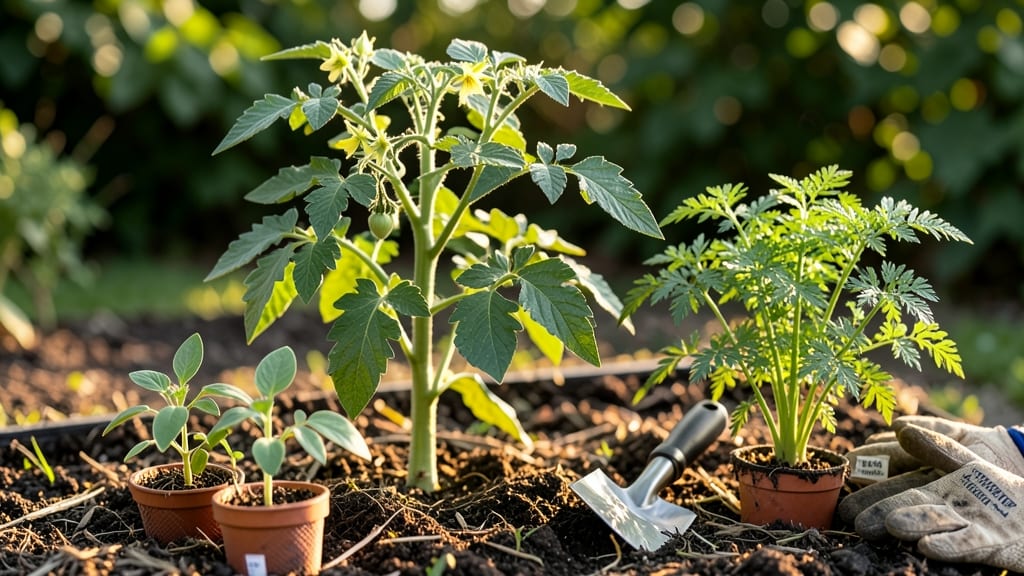
Planting carrots and tomatoes together is possible — but only if you account for their wildly different soil needs and growth habits.
Picture this: your 🍅 tomatoes sprawling upward while your carrots demand deep, loose soil to grow straight. Get the spacing wrong, and you’ll end up with stunted roots or blight-prone leaves. The key isn’t just whether they can share space—it’s how you make it work without sacrificing either crop.
Carrots need at least 12 inches of loose, stone-free soil to avoid forking, while tomatoes thrive in well-draining beds with plenty of organic matter. Plant them too close, and the carrots will compete for nutrients—or worse, the tomatoes’ heavy roots will tangle with your harvest.
In this guide, I’ll break down the exact spacing, soil prep tricks, and companion plants that turn this pairing from risky to rewarding. By the end, you’ll know whether your garden bed is ready for both—or if one should take center stage.

Why planting carrots and tomatoes together can work (and when it fails)
Planting carrots and tomatoes together might seem risky—one grows deep roots while the other sprawls upward—but with the right approach, they can thrive side by side. The key lies in their soil depth needs and companion planting benefits, like natural pest control and space efficiency.
When done correctly, this pairing can boost your garden's productivity while keeping pests at bay.
Carrots need deep, loose soil (at least 12 inches) to grow their long taproots, while tomatoes prefer well-draining soil that’s slightly shallower but rich in nutrients. The challenge? Balancing their needs without competing for resources.
Tomatoes also benefit from staking or caging, freeing up space for carrots below. This vertical growth strategy prevents root interference while maximizing your garden’s potential.
One of the biggest advantages of this pairing is natural pest deterrence. Carrots repel aphids and tomato hornworms, while tomatoes deter carrot flies with their strong scent. This mutual protection reduces the need for chemical interventions, making your garden more eco-friendly and sustainable.
Plus, the contrasting heights create a shade gradient—tomatoes provide afternoon shade for carrots in hot climates.
However, this combo isn’t foolproof. If you don’t account for root competition or nutrient depletion, both plants may suffer. Tomatoes are heavy feeders, while carrots need consistent moisture. Without proper spacing or soil preparation, you might end up with stunted carrots or blossom-end rot in tomatoes.
The solution? Amend your soil with compost and use mulch to retain moisture and nutrients.
Soil depth is where this pairing gets tricky. Carrots require at least 12-18 inches of loose, stone-free soil, while tomatoes thrive in 6-12 inches of well-draining soil. If your garden bed isn’t deep enough, carrots will struggle, and tomatoes may compete for shallow nutrients. Raised beds or deep containers solve this issue by giving both plants the space they need without fighting for resources.
Another critical factor is spacing. Plant carrots 2-3 inches apart in rows spaced 12-18 inches apart, leaving 18-24 inches between tomato plants. This arrangement ensures carrots have room to spread their roots while tomatoes get enough airflow to prevent disease.
Avoid overcrowding—it leads to root tangling and increased pest pressure.
Let’s break down the pros and cons in a clear comparison to help you decide if this pairing is right for your garden:
| Factor | Carrots | Tomatoes | Compatibility |
|---|---|---|---|
| Soil Depth Needed | 12-18 inches | 6-12 inches | ✅ Works if bed is deep |
| Spacing Needs | 2-3" apart | 18-24" apart | ✅ Effective with proper layout |
| Pest Control | Repels aphids | Deters hornworms | ✅ Mutual protection |
| Nutrient Needs | Moderate | High | ⚠️ Needs compost/fertilizer |
| Water Requirements | Consistent moisture | High volume | ✅ Mulch helps balance |
For this pairing to succeed, focus on soil preparation. Amend your garden bed with aged compost or well-rotted manure to improve drainage and fertility. Avoid fresh manure—it can cause carrots to fork or split.
Instead, opt for a balanced fertilizer (like 10-10-10) to support both plants’ needs without overwhelming either.
Timing also plays a role. Plant carrot seeds 2-3 weeks before transplanting tomato seedlings. This gives carrots a head start while ensuring tomatoes establish roots before competing for nutrients.
If you’re in a short growing season, consider short-season tomato varieties like 'Stupice' or 'Tiny Tim' to align with carrot harvest times.
If you’re still unsure, start small! Try planting a test row of carrots alongside a single tomato plant. Monitor their growth for 4-6 weeksyellowing leaves (tomatoes) or stunted tops (car
Optimal soil depth and spacing for carrots and tomatoes grown side-by-side
Planting carrots and tomatoes together is possible, but success hinges on understanding their soil depth and spacing needs. Carrots thrive in loose, deep soil—ideal for their long taproots—while tomatoes prefer well-draining beds with slightly shallower depth. Ignoring these differences can lead to stunted growth or poor yields for both plants.
For carrots, aim for a soil depth of at least 12 inches to accommodate their roots. Tomatoes, on the other hand, need 18-24 inches of depth but benefit from slightly looser soil near the surface to support their root ball and stems.
Balancing these requirements ensures neither plant competes for space or nutrients.
To prevent root interference, plant carrots in the outer edges of your bed while placing tomatoes in the center. This layout allows carrots to spread horizontally while tomatoes establish deeper roots. Use mulch to retain moisture and suppress weeds, which can disrupt soil structure for both plants.
When spacing, maintain 18-24 inches between tomato plants to accommodate their mature size. For carrots, keep them 2-3 inches apart in rows spaced 12 inches apart. This spacing ensures carrots have room to grow without competing with tomato roots for nutrients or water.
One of my favorite tricks is to use raised beds for this combo. Raised beds give you better control over soil depth and drainage, making it easier to meet both plants' needs.
Just ensure the bed is at least 12 inches deep and fill it with a mix of compost and sandy loam for optimal results.
Finally, monitor your plants closely for signs of stress, like yellowing leaves or stunted growth, which may indicate soil depth or spacing issues. Adjust your approach as needed—sometimes, a little extra depth or wider spacing can make all the difference in your harvest.