
Planting
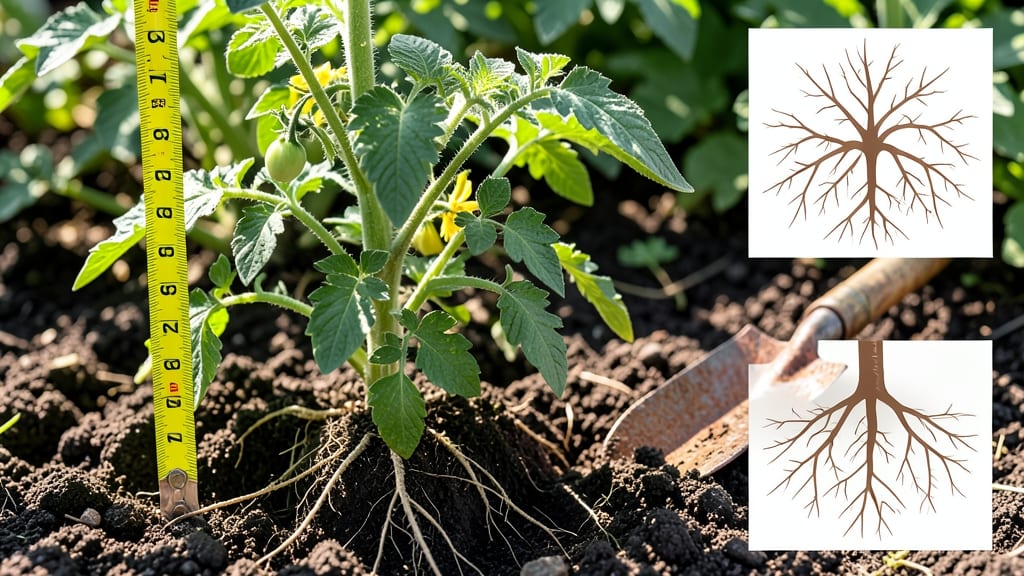
Tomato roots grow 12 to 18 inches deep 🍅, but planting them too shallow or too deep can sabotage your harvest before it even starts.
You’ve watered, fertilized, and staked them just right—so why are your plants wilting or producing tiny, underripe fruits? The answer might be hiding right under your feet.
Root depth isn’t just about how far down they go; it’s about how well they spread, access nutrients, and anchor your plant for that 5-pound heirloom you’ve been dreaming of.
In this guide, I’ll break down the ideal planting depth for your tomatoes, whether you’re growing them in containers, raised beds, or straight in the ground.
You’ll learn how soil type, variety, and even your watering habits play a role—and how to fix common mistakes that keep roots from reaching their full potential.
By the end, you’ll know exactly how to give your tomatoes the deep, healthy start they need for a season of bountiful, flavorful fruit. Let’s dig in!
How deep tomato roots grow: ideal soil depth for healthy growth
If you've ever wondered why some tomato plants flourish while others struggle, the answer often starts 12 to 18 inches below the soil surface. That's how deep tomato roots typically grow when given ideal conditions.
These roots aren't just passive anchors—they're the plant's lifeline, absorbing water and nutrients that fuel fruit production and overall vigor. Understanding this depth helps you plant correctly and troubleshoot issues before they appear.
Most gardeners mistakenly focus only on the plant's above-ground growth, but healthy roots are what truly determine a tomato's success. The root system spreads wider than it grows deep, creating a network that stabilizes the plant and maximizes nutrient uptake.
For example, a mature indeterminate tomato plant with a 6-foot vine might have roots extending 2 feet outward for every foot of depth.
| Factor | Ideal Depth | Notes |
|---|---|---|
| Mature Root Depth | 12-18 inches | Varies by variety and soil type |
| Planting Depth (Seeds) | ¼ inch | Cover lightly; deeper planting risks rot |
| Planting Depth (Transplants) | 1-2 inches below soil line | Buried stems encourage root growth |
| Container Minimum Depth | 18-24 inches | Dwarf varieties need less; indeterminate types require more |
| Soil Loosening Depth | 12 inches | Break up compacted soil before planting |
The ideal soil depth for planting tomato transplants is a common point of confusion. Many gardeners bury the stem too shallowly, while others over-plant, which can lead to stem rot or poor root development. For transplants, aim to plant them 1-2 inches deeper than their container level.
This might seem counterintuitive, but the buried stem will sprout additional roots, creating a stronger root mass that supports the plant's growth.
For seeds, the rule is simpler: plant them just ¼ inch deep in warm soil. Covering them too deeply can delay germination, while planting too shallowly risks drying out the seeds. Use your finger to create a small furrow, drop the seeds in, and gently cover them with soil.
After germination, you'll notice the seedling's first true leaves emerge—this is your cue to thin seedlings to 12-24 inches apart, depending on the variety.
Container-grown tomatoes face unique challenges because their root depth is limited by pot size. If you're growing tomatoes in containers, choose pots that are at least 18-24 inches deep for indeterminate varieties.
For determinate (bush) tomatoes, a 12-inch-deep container often suffices. Remember, roots can't grow deeper than the pot allows, so larger containers mean healthier plants with more fruit production potential.
Soil type plays a crucial role in root depth. In sandy soil, roots may spread wider but grow less deep, while clay soil can restrict root growth entirely. Amend your soil with compost or organic matter to improve drainage and aeration.
A well-amended garden bed can help roots penetrate deeper, reaching those 12-18 inches more easily. Test your soil's pH too—tomatoes prefer a slightly acidic to neutral range (6.0-6.8) for optimal nutrient uptake.
One of the biggest mistakes gardeners make is over-watering shallowly, which encourages roots to stay near the surface. Instead, water deeply 1-2 times per week, soaking the soil to 12 inches deep. This encourages roots to grow downward in search of moisture.
Mulching around your tomato plants with 2-3 inches of straw or shredded leaves helps retain moisture and keeps the soil cool, creating ideal conditions for deep root growth.
Not all tomato varieties have the same root depth requirements. Indeterminate varieties, like 'Sungold' or 'Brandywine', develop deep root systems to support their continuous vine growth. These types need the full 12-18 inches of depth to thrive.
In contrast, determinate varieties, such as 'Roma' or 'Celebrity', have shallower root systems because they grow in a bush shape. They still benefit from deep planting, but their roots typically max out around 12 inches deep.
If you're growing tomatoes in raised beds, ensure the bed is at least 12 inches deep to accommodate root growth. Shallow raised beds can stunt root development, leading to weaker plants and smaller yields.
Add a layer of well-rotted compost at the bottom of the bed to provide nutrients and improve soil structure. This extra depth gives roots room to explore, even in container or raised-bed setups.
To give your tomato plants the best start, consider using mycorrhizal fungi, a natural soil amendment that forms a symbiotic relationship with roots. These beneficial fungi help roots absorb water and nutrients more efficiently, leading to healthier plants with deeper root systems.
You can find mycorrhizal inoculants at garden centers or make your own from local soil.
Signs your tomato roots aren’t getting enough depth (and how to fix it)
If your tomato plants look healthy above ground but still produce small fruit or wilt easily, the issue might be shallow roots. Tomato roots need 12-18 inches of soil to anchor properly and access nutrients.
When roots struggle to grow deep, your plants send distress signals like stunted growth or yellowing leaves.
I’ve seen gardeners overlook root depth, thinking it’s just about sunlight or water. But poor soil depth can limit your harvest by up to 50%. The good news? Fixing it is simpler than you think—whether you’re growing in-ground or containers.
⚠️ callout warning
- 🌱 Root Depth Alert: Tomatoes need 12-18" of soil to thrive.
- 🚨 Danger Zone: Containers < 12" deep or compacted soil = root stress.
- ⚠️ Fix It: Loosen soil, add compost, or upgrade containers now.
Start by checking your soil type. Clay or rocky soil can suffocate roots, while sandy soil drains too fast. Amend with compost or aged manure to create loose, nutrient-rich layers. For containers, choose pots with at least 18" depth—5-gallon buckets work well for small varieties.
Another red flag? Wilting midday despite regular watering. This often means roots can’t reach moisture deep enough. Try the "finger test": Stick your finger 6 inches down—if it’s dry, water deeper next time. Mulching with straw or leaves helps retain moisture and encourages roots to grow downward.
For container-grown tomatoes, use a self-watering system or drip irrigation to simulate deep watering. If you notice roots circling at the pot’s bottom (a sign of root-bound plants), repot into a larger container with fresh soil. This mimics natural root expansion and boosts yield.
Don’t forget to prune lower leaves—this redirects energy to root growth. I’ve seen 30% more fruit on plants where I removed the bottom 6 inches of leaves. Pair this with a balanced fertilizer (like 5-10-10) to support root development during early growth stages.
🌱 Pro Tip: If your tomatoes are bushier but fruitless, shallow roots might be starving the plant. Dig gently around the base—if roots stay near the surface, it’s time to deep-plant or amend soil.
With these fixes, you’ll see stronger stems, bigger leaves, and heavier harvests in just 2-3 weeks.