
Planting
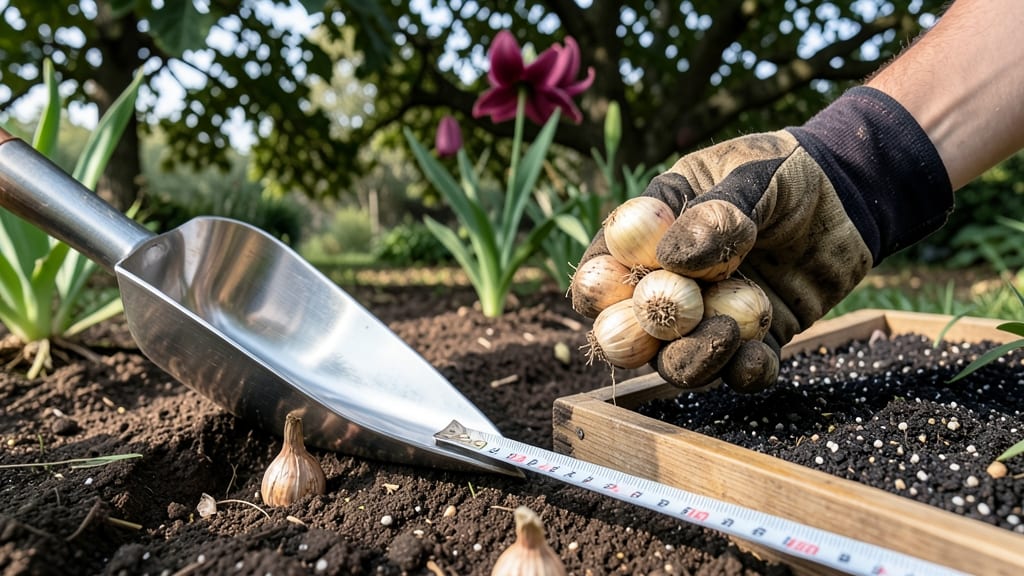
To plant lily bulbs the right distance apart ensures strong stems, vibrant blooms, and years of trouble-free growth 🌸 — but most gardeners either crowd them too closely or spread them too far.
If you’ve ever watched your lilies struggle with weak stems or tiny flowers, you know how spacing makes (or breaks) their potential. The secret lies in matching the bulb size to its mature height, and I’ll show you exactly how.
From 3-inch spacing for dwarf varieties to 12 inches for towering Trumpet lilies, the right distance prevents overcrowding while maximizing your garden’s impact. We’ll also cover how to adjust for soil type and container gardening.
By the end, you’ll know not just how far to plant them, but why it matters for long-term health—and how to fix spacing mistakes if you’ve already dug the holes.

Optimal lily bulb spacing by variety and growth habits
When planting lily bulbs, spacing makes all the difference between a showstopping garden display and a struggling clump. Different lily varieties have unique growth habits, so following the right spacing ensures strong stems, vibrant blooms, and long-term health.
I’ve planted everything from dwarf Asiatics to towering Oriental lilies, and these guidelines will help you avoid common mistakes like overcrowding or wasted space.
Proper spacing also prevents disease spread by improving air circulation, which is especially critical for Trumpet lilies (Lilium longiflorum) that are prone to botrytis blight.
Whether you’re designing a border garden or a container arrangement, understanding each variety’s mature size and root spread will give you the best results. Let’s dive into the specifics so you can plant with confidence.
Comparison Table: Optimal Spacing for Lily Bulbs by Variety
For Asiatic lilies, which are compact and bloom early, I recommend spacing bulbs 4–6 inches apart. These varieties thrive in clusters and produce dense foliage, so tighter spacing works well for border gardens or container arrangements.
Just be sure to thin them every few years to prevent overcrowding and ensure each bulb gets enough nutrients.
Oriental lilies, on the other hand, are heavy bloomers with larger stems and strong fragrance. Space them 6–8 inches apart to give their wide root systems room to spread. I’ve found that planting them in groups of 3–5 creates a stunning visual impact, especially when combined with grasses or ornamental onions for contrast.
If you’re growing Trumpet lilies, prioritize airflow to prevent disease. Space these tall, dramatic varieties 8–12 inches apart and avoid planting them in shady spots.
Their narrower root spread compared to their height means they need sturdy support—consider staking them early to prevent flopping, especially in windy gardens.
Martagon lilies, also called Turk’s Cap lilies, are unique because they tolerate partial shade and have nodding blooms. Space them 6–8 inches apart to accommodate their moderate root spread. These lilies are perfect for woodland gardens or areas where other varieties might struggle with hot afternoon sun.
For dwarf lilies, like the popular 'Little Champion' series, you can get creative with closer spacing (3–4 inches). These are ideal for rock gardens, container edges, or even hanging baskets where space is limited.
Just remember that even small bulbs need room to multiply over time, so avoid planting them in tight rows that will become overcrowded.
One common mistake I see is planting lilies too close together to save space, only to end up with weak stems and fewer blooms. Over time, crowded lilies compete for water, nutrients, and sunlight, leading to stunted growth
How to adjust spacing for different garden conditions
Your lily bulbs' spacing needs can shift based on your garden's unique conditions. Poor soil drainage, hot climates, or container gardening all demand adjustments to prevent root competition or waterlogging. Understanding these factors ensures your lilies grow strong and bloom beautifully, even in challenging conditions.
For example, clay-heavy soil requires wider spacing—up to 8 inches apart—to prevent water pooling around bulbs. Meanwhile, sandy soil can handle closer spacing of 4-5 inches since it drains quickly. Adjusting for your local climate is equally critical, especially in humid regions where fungal diseases thrive.
⚠️ Warning: Overcrowding in Containers
When planting lilies in containers, reduce spacing to 3-4 inches between bulbs—but never exceed 3 bulbs per 12-inch pot. Overcrowding leads to stunted growth and rot from poor airflow. Use fast-draining mix with perlite and ensure pots have drainage holes.
If you're planting on a slope, increase spacing to 6-8 inches to prevent erosion and allow roots to anchor properly. For layered planting (e.g., bulbs mixed with perennials), space lilies 5-6 inches apart and place smaller companion plants between them to fill gaps naturally.
For long-term growth goals, consider your lilies' mature size. Taller varieties like Trumpet lilies need 6-8 inches of space, while dwarf Asiatics can thrive at 4 inches apart. Over time, lilies multiply—so plan for future thinning by leaving extra room to divide clumps every 3-5 years.
In cooler climates, you can plant bulbs slightly closer (4 inches) since slower growth reduces competition. Conversely, in hot, dry areas, space them 6-7 inches apart to conserve moisture. Always mulch after planting to regulate soil temperature and retain moisture.
Pro tip: Use a grid or string to mark spacing before planting. This helps visualize your layout and ensures consistent distances. With these adjustments, your lilies will thrive regardless of your garden's unique challenges! 🌸