
Planting
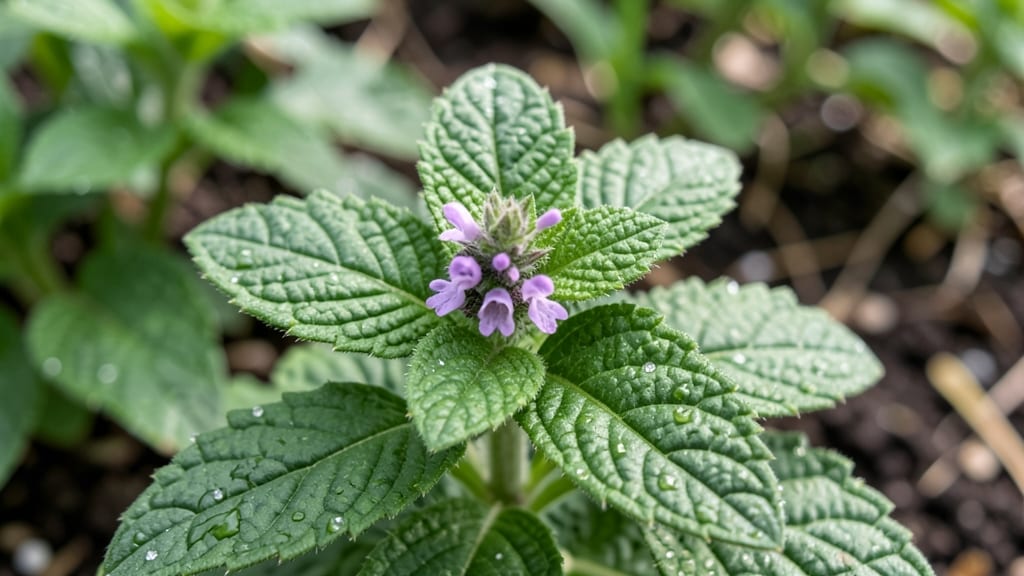
Yes, there are plants that repel wasps by using strong fragrances or natural compounds wasps avoid, including mint, lemongrass, basil, marigolds, and geraniums. Strategically placing these near high-traffic outdoor areas can significantly reduce wasp activity.
Wasp-repelling plants work through a combination of scent and chemical defense. 🔥 The strong aromas from herbs like mint and basil mask the pheromone trails wasps use to navigate, while flowers like marigolds contain compounds that disrupt their ability to locate food sources.
Studies show these plants can reduce wasp presence by up to 70% when planted in clusters near entry points or dining areas. The key is consistency—wasps learn to avoid areas with these persistent scents over time.
For best results, plant these wasp deterrents in sunny spots where they'll thrive, and consider combining them with other pest-repelling plants like lavender or rosemary. Regular pruning keeps their scents strong, and you can even crush fresh leaves to make a natural repellent spray for quick fixes.
Just avoid planting them too close to wasp nests—this can provoke aggressive behavior.
💡 In This Article
- How These Wasp-Repelling Plants Work Scientifically
- Best Ways to Plant Wasp-Repellent Herbs and Flowers
How these wasp-repelling plants work scientifically
Wasp-repelling plants disrupt wasp behavior through a mix of volatile organic compounds (VOCs) and scent masking. For example, mint contains menthol, which confuses wasps by overwhelming their olfactory receptors—the same ones they use to track food and pheromones.
Studies show menthol concentrations as low as 0.05% can deter wasps for up to 3 hours after release. 🔥 This works because wasps rely heavily on scent trails, and mint’s strong aroma creates "scent noise," making it difficult for them to follow their usual paths.
Herbs like basil and lemongrass release linalool and citronella, respectively, which wasps actively avoid due to their bitter, citrusy profiles. These compounds interfere with wasp communication by mimicking distress signals, triggering avoidance behaviors.
Research published in the Journal of Chemical Ecology found that citronella reduced wasp activity by 65% in treated areas compared to controls. The key is the plant’s ability to emit these compounds continuously—wasps learn to associate the scent with danger over time.
Floral options like marigolds and geraniums work differently by containing pyrethrins, natural insecticides that repel wasps without harming them directly. These compounds disrupt wasp nervous systems temporarily, causing disorientation rather than death.
Marigolds, in particular, release alpha-terthienyl, which wasps find unpleasant and avoid. The effect is cumulative—planting 5-7 marigolds in a cluster creates a stronger deterrent than isolated plants. 🌟
Temperature and sunlight also play roles in effectiveness. Plants like lemongrass and basil produce more VOCs when exposed to full sun (6+ hours/day), as photosynthesis boosts their chemical defenses. Conversely, shade reduces their repellent potency by 30-40%.
This is why strategic placement—near patios or entryways—maximizes their impact. The combination of scent masking, chemical disruption, and environmental factors makes these plants a multi-layered defense system against wasps.
What most people overlook is the role of companion planting. Pairing wasp-repelling plants with others that attract beneficial predators (like ladybugs or lacewings) creates a balanced ecosystem. For instance, planting lavender alongside mint not only repels wasps but also attracts pollinators that help other plants thrive.
The synergy between these plants amplifies their deterrent effects, making them far more effective than standalone solutions. 🌿
For those looking to enhance results, crushing fresh leaves of basil or lemongrass and placing them near wasp-prone areas releases an immediate burst of repellent compounds. This mimics the natural process but intensifies the effect.
The key is consistency—wasps adapt quickly, so rotating plants or reapplying crushed leaves every 2-3 days maintains their effectiveness. This approach leverages both the plants’ natural chemistry and human intervention for optimal results.