
Planting
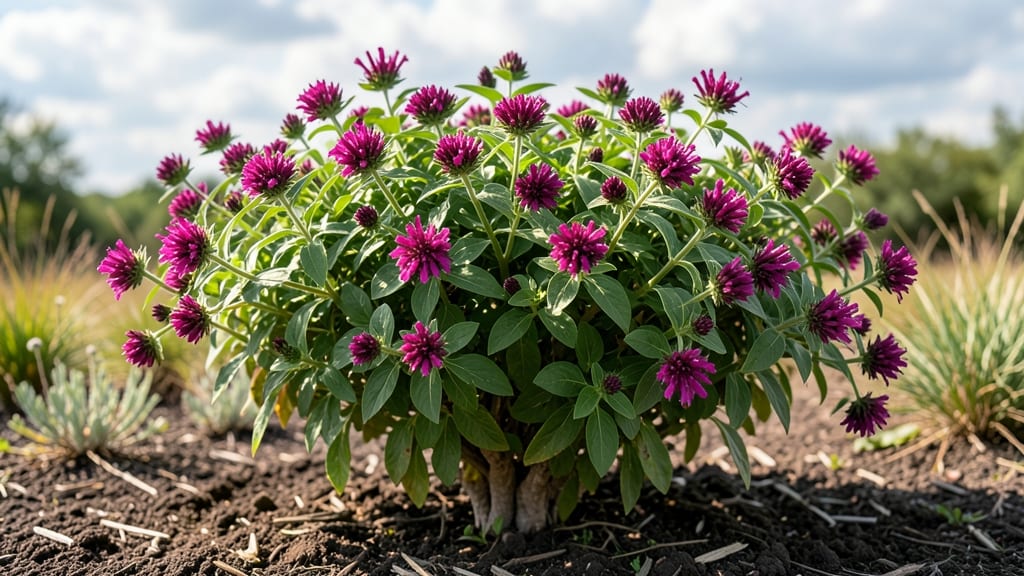
Growing lantana in Zone 6 means you can enjoy its vibrant blooms year after year—if you know the secrets to surviving our winters. 🌿 I've learned that while lantana is technically tender, with the right overwintering tricks, it thrives as a perennial in my garden, not just a summer annual.
The key starts with planting in full sun and well-draining soil—lantana hates soggy roots. Once established, it's shockingly drought-tolerant, but young plants need consistent watering until their roots take hold. Prune back dead growth in early spring before new shoots emerge.
What sets Zone 6 lantana apart is its ability to bounce back from frost if you protect it properly. Mulch heavily in fall, wrap containers, or dig up potted plants and store them in a cool, dark place.
With these adjustments, you'll have nonstop blooms from May through October—and sometimes even later if we get an early fall. The payoff? A plant that's nearly maintenance-free once established, with flowers in every color imaginable. Here's how to make it work in your garden—even with our cold snaps.
📚 In This Guide
- What you need
- Instructions
- Tips and common mistakes
- Wrapping up and next steps
What you need
- ● Lantana plants: Choose cold-hardy varieties like Lantana camara (hardy to ~20°F with protection) or Lantana × 'Bandana' (more resilient). Buy 3–5 plants for a vibrant display.
- ● Well-draining potting mix: 5–10 gallons (or enough to fill containers). Mix 2 parts garden soil with 1 part perlite or sand for aeration.
- ○ Containers (optional but recommended for Zone 6): 5–7 gallon pots (one per plant) with drainage holes.
- ○ Self-watering planters (optional, to retain moisture in dry spells).
- ● Garden trowel or small shovel for planting.
- ● Pruning shears (sharp, sterilized) for shaping and cold prep.
- ● Mulch (straw or shredded bark): 2–3 inches to insulate roots in winter.
- ● Slow-release fertilizer (10-10-10 or 14-14-14): 1–2 tbsp per plant at planting time.
- ● Frost cloth or bubble wrap (for overwintering; 1–2 sheets per plant).
- ● Watering can or hose with adjustable nozzle (lantanas need 1–1.5 inches of water weekly).
- ● Epsom salt (magnesium sulfate): 1 tbsp per gallon of water monthly for lush foliage.
- ● Grow lights (LED, full-spectrum) for early spring starts indoors.
- ● Decorative stones or pebbles to enhance container aesthetics.
Step-by-Step guide to growing lantana in Zone 6
Here's how I keep lantana blooming year after year in colder climates—with tricks to protect it through winter.
🌱 Step 1: Choose the Right Variety for Zone 6
Not all lantana survives Zone 6 winters, so pick cold-hardy varieties like 'Bandana Series' or 'Lemon Swirl'. These can handle brief dips to 15°F with proper care. Avoid tropical types—they’ll die back completely in frost.
Start with established plants from a nursery rather than seeds, since seedlings won’t have time to mature enough for winter. Look for healthy stems with multiple flower clusters—these plants bounce back better after cold snaps.
☀️ Step 2: Plant in Full Sun with Well-Draining Soil
Lantana thrives in 6+ hours of direct sun daily, so pick a south-facing spot. Amend heavy or clay soil with 2-3 inches of compost to improve drainage—lantana roots rot easily in soggy conditions.
Dig a hole twice as wide as the root ball but only as deep. Position the plant so the top of the root ball sits 1 inch above soil level—this prevents water from pooling around the stem. After planting, water deeply to settle the soil.
💧 Step 3: Water Deeply but Infrequently
Water newly planted lantana once a week for the first month, giving 1 gallon per plant each time. After that, let the soil dry completely between waterings—lantana’s native to drought-prone areas and hates "wet feet."
Check moisture by sticking your finger 2 inches into the soil. If it feels dry, water again. Overwatering causes yellow leaves and weak growth, making plants more vulnerable to winter damage.
✂️ Step 4: Prune for Winter Hardiness
In late fall, cut back stems by ⅓ to ½ to encourage bushier regrowth. Remove any dead or diseased branches first—these won’t survive winter and can spread problems. Use clean, sharp pruners to avoid tearing stems.
Leave some foliage on the plant—it acts as insulation during cold snaps. Mulch around the base with 2-3 inches of shredded leaves or straw to protect roots. Remove mulch in early spring before new growth appears.
🪴 Step 5: Protect from Winter Freezes
When temperatures drop below 25°F, cover lantana with a frost blanket or burlap sack secured loosely at the top. Avoid plastic—it traps moisture and causes rot. Water plants thoroughly before covering to ensure roots stay hydrated.
In severe winters (below 15°F), dig up container-grown lantana and store pots in a garage or cold frame. For in-ground plants, mound extra mulch around the base. Most cold-hardy varieties will regrow from the base in spring.
Tips & tricks for thriving lantana in Zone 6
Keeping lantana blooming through Zone 6 winters takes a few smart strategies—here's what I've learned after years of testing different approaches.
Variety Matters: The 'Bandana Series' and 'Lemon Swirl' varieties I mentioned in Step 1 are your best bets for Zone 6, but here's the thing: even these can struggle if planted too late. Aim to get them in the ground by early June at the latest. The plants need at least 6-8 weeks to establish strong roots before winter hits. I've seen too many gardeners plant in late summer only to have their lantana fail completely.
Soil Preparation Secret: When amending your soil with 2-3 inches of compost in Step 2, don't stop there. Mix in a handful of perlite or coarse sand if your soil is particularly dense. This creates tiny air pockets that prevent waterlogging—the #1 killer of lantana roots in cold climates. The goal is soil that drains like a sponge, not a swamp. I've had plants last through winters where others in the neighborhood failed because of this simple adjustment.
Winter Protection Upgrade: For the frost protection in Step 5, here's my pro move: after covering with frost blanket, add a layer of straw or leaves on top of the cover. This creates an extra insulating blanket that can make the difference between survival and death during those sudden 15°F drops. Just remember to remove it during the day when temperatures rise above freezing to prevent rot from trapped moisture.
Spring Revival Hack: In early spring when you remove that winter mulch, don't be alarmed if your lantana looks completely dead. Most cold-hardy varieties regrow from the base—just look for green shoots at the soil line. I've had plants that appeared lifeless in March but were covered in blooms by May. Be patient and keep the soil lightly moist while you wait for new growth to appear.
Pro Tips for Lantana Zone 6
- Keeping lantana blooming through Zone 6 winters takes a few smart strategies—here's what I've learned after years of ...
- Variety Matters: The 'Bandana Series' and 'Lemon Swirl' varieties I mentioned in Step 1 are your best bets for Zone 6...
- Soil Preparation Secret: When amending your soil with 2-3 inches of compost in Step 2, don't stop there. Mix in a han...
Frequently asked questions
Got questions about growing lantana in Zone 6? You’re not alone! Here are answers to the most common concerns—from cold protection to pruning hacks—so you can keep your lantana blooming year after year.
Can lantana survive winter in Zone 6 without extra protection?
Most lantana camara varieties are tender perennials and won’t survive Zone 6 winters (<10°F) outdoors. However, cold-hardy lantana (Lantana sellowiana or L. urticoides) can tolerate down to 0°F with mulch (3–4 inches of straw or shredded leaves). For standard lantana, dig up pots or cut back stems to 6 inches and mulch heavily.
How do I protect lantana from late spring frosts in Zone 6?
Late frosts (below 32°F) can damage new growth. Use frost cloth or a row cover over young plants, or cover with blankets secured with bricks. Avoid overhead watering before frost—wet leaves freeze faster. For container lantana, move pots to a sheltered spot (like a garage or under eaves) until danger passes.
When and how should I prune lantana in Zone 6 for bushier growth?
Prune after the last frost (late spring) to encourage new growth. Cut back 1/3 of the plant to shape it, focusing on leggy stems. Deadhead spent blooms regularly to prolong flowering. For cold-hardy varieties, prune in early spring before new shoots emerge to remove winter damage.
What are the best cold-hardy lantana alternatives for Zone 6?
If standard lantana struggles, try these Zone 6-friendly alternatives:
- Butterfly Bush (Buddleia davidii): Drought-tolerant, attracts pollinators, and handles Zone 4–9.
- Russian Sage (Perovskia atriplicifolia): Silvery foliage, long bloom time, and Zone 4–9 hardiness.
- Coneflower (Echinacea): Native, low-maintenance, and thrives in Zone 3–9.
- Black-Eyed Susan (Rudbeckia): Bright yellow blooms, Zone 3–9, and self-seeds easily.
Why is my lantana in Zone 6 getting yellow leaves or wilting?
Yellow leaves often signal overwatering or poor drainage. Lantana prefers well-draining soil and water only when the top inch of soil is dry. Wilting can also mean underwatering or root rot (from soggy soil). Check for pests like aphids or spider mites—spray with neem oil if needed. If leaves curl, it may be heat stress; provide afternoon shade in extreme summer heat.
Wrapping up and next steps
Growing lantana in Zone 6 is totally doable with the right care—whether you’re bringing it indoors for winter or protecting it with mulch and containers! These vibrant plants reward you with months of blooms and low-maintenance charm, making them a must-have for sunny gardens. 🌸
Ready to take the next step? Start by selecting your hardiest variety, prep your soil, and give those cuttings or young plants a cozy spot to thrive. Happy planting—your garden’s about to get a colorful upgrade! 🌿