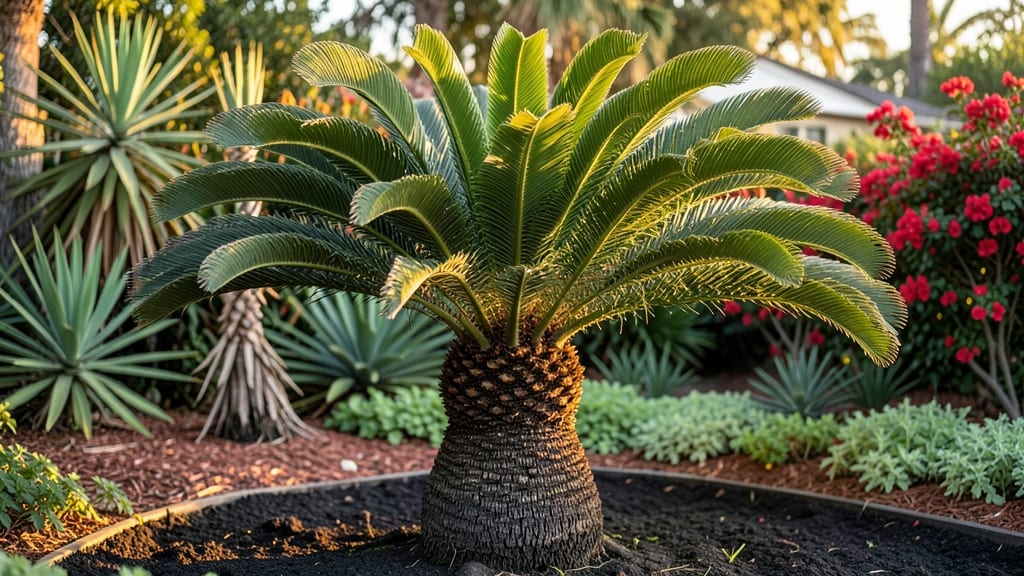
💥 Quick Answer Hardiness zones 10 and 11 offer the warmest gardening climates, where winter temperatures stay above 30°F (-1°C), letting tropical and subtropical plants grow year-round with almost no frost risk. Zone 11…
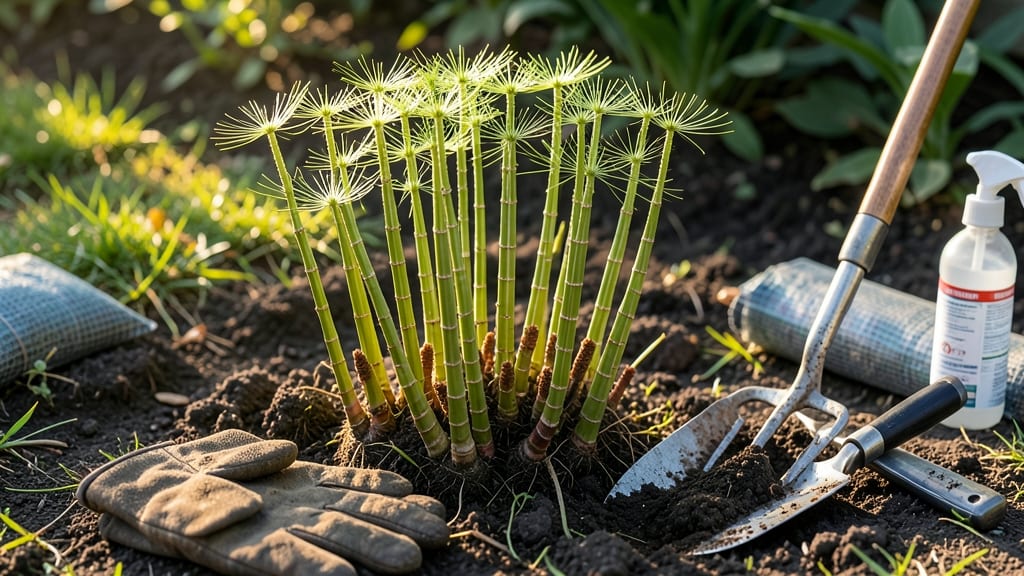
Horsetail plant control is the secret weapon against this relentless spread. 🌿 I've battled this scraggly invader for years—it pops up in cracks, chokes out perennials, and seems impossible to kill. The key isn't brute…
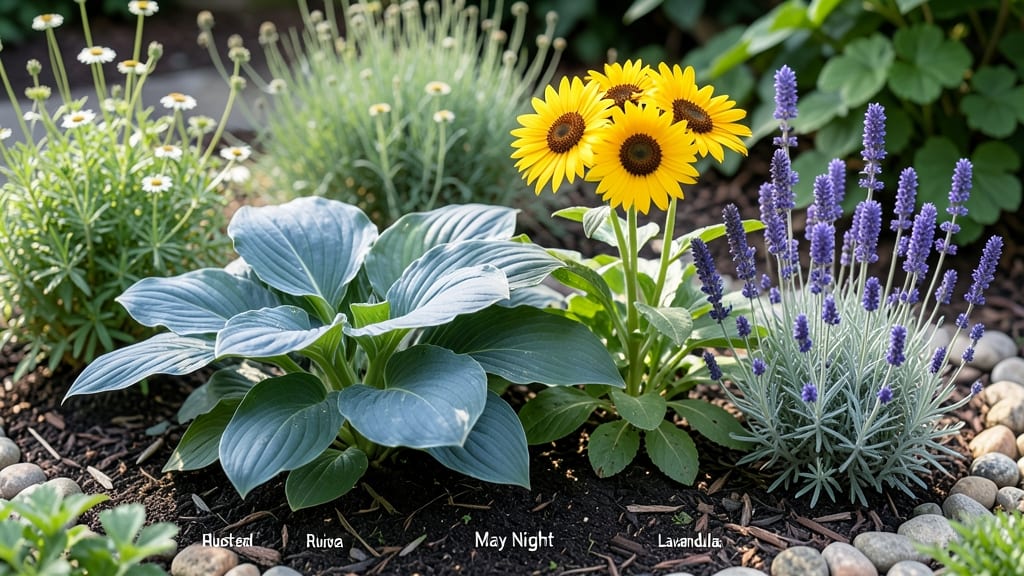
Keeping your garden organized with horticultural plant labels isn’t just about aesthetics—it’s the difference between a thriving plot and a confusing mess where even your basil might be mistaken for mint. 🔍 After…
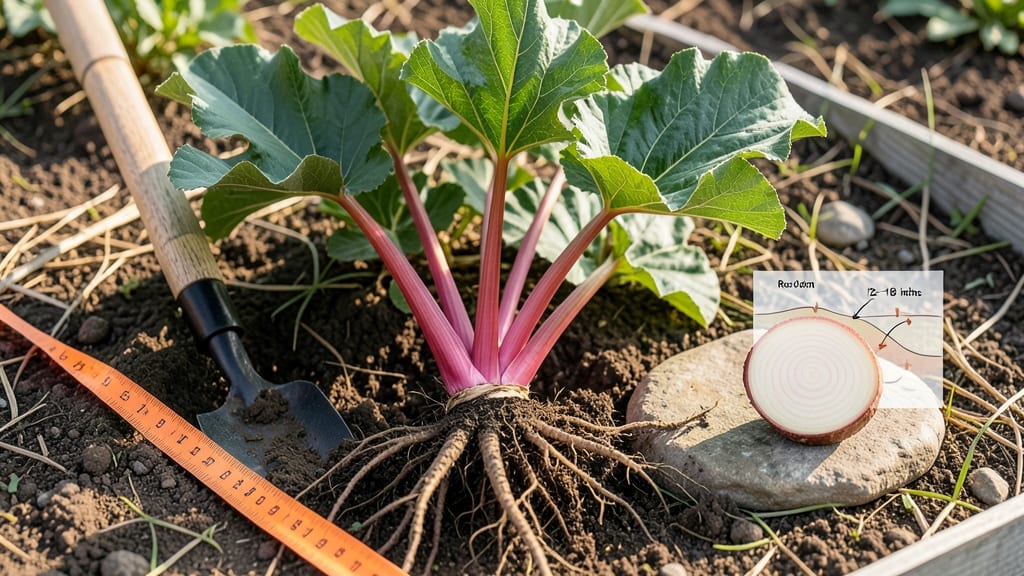
How deep rhubarb roots grow often surprises gardeners—they can extend 12 to 18 inches below the soil surface, which explains why these plants are so hardy and productive. Wondering why your rhubarb plants keep struggling…
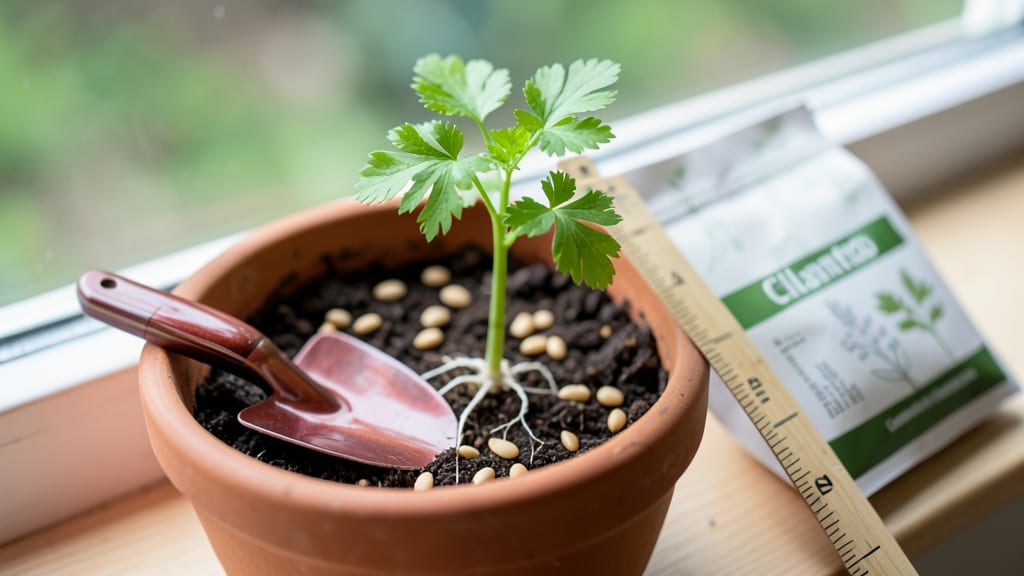
Planting cilantro seeds at ¼ to ½ inch deep is the fastest way to break through germination struggles and get fresh herbs on your table in just 6-8 weeks . Struggling to get your cilantro seeds to sprout consistently…
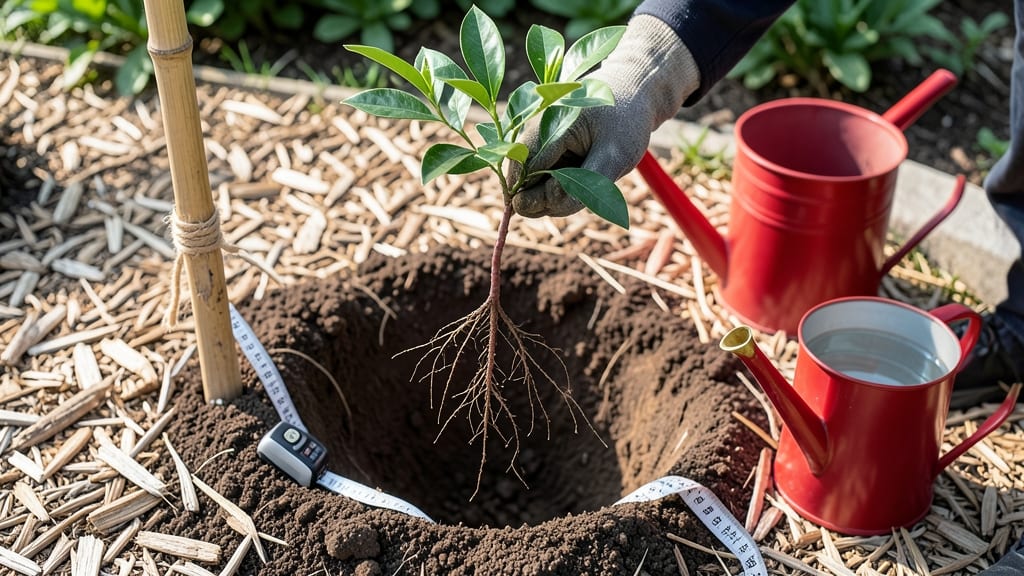
Planting fruit trees too deep or too shallow can turn your 🌳 fruit tree into a slow-grower—or worse, a dead one. The root flare, where the roots meet the trunk, needs to sit just above the soil line for healthy…
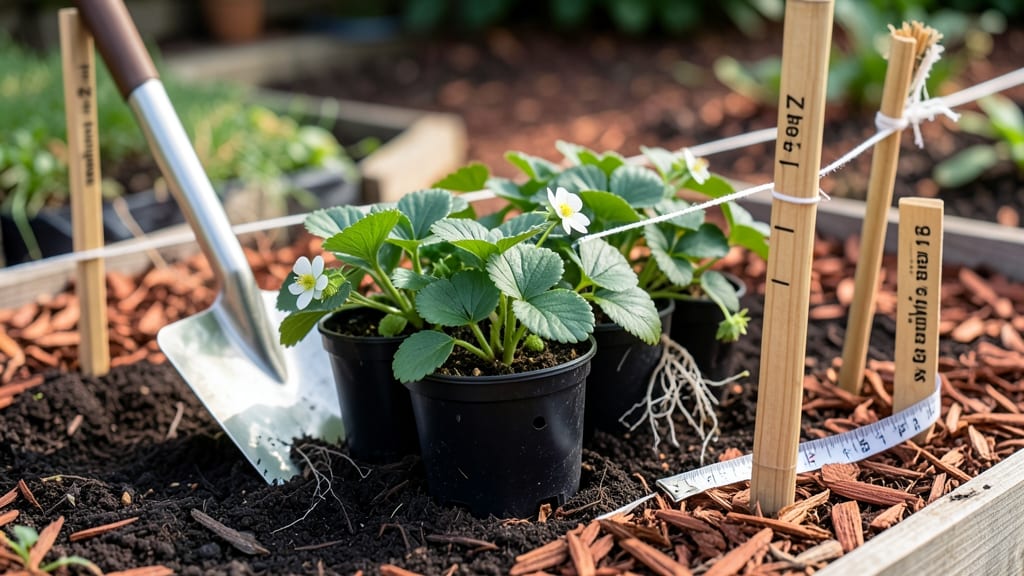
Strawberries need to be planted 18 to 24 inches apart for June-bearing varieties or 12 to 18 inches for everbearing and day-neutral types to thrive. Struggling with strawberries that stay small, rot prematurely, or…
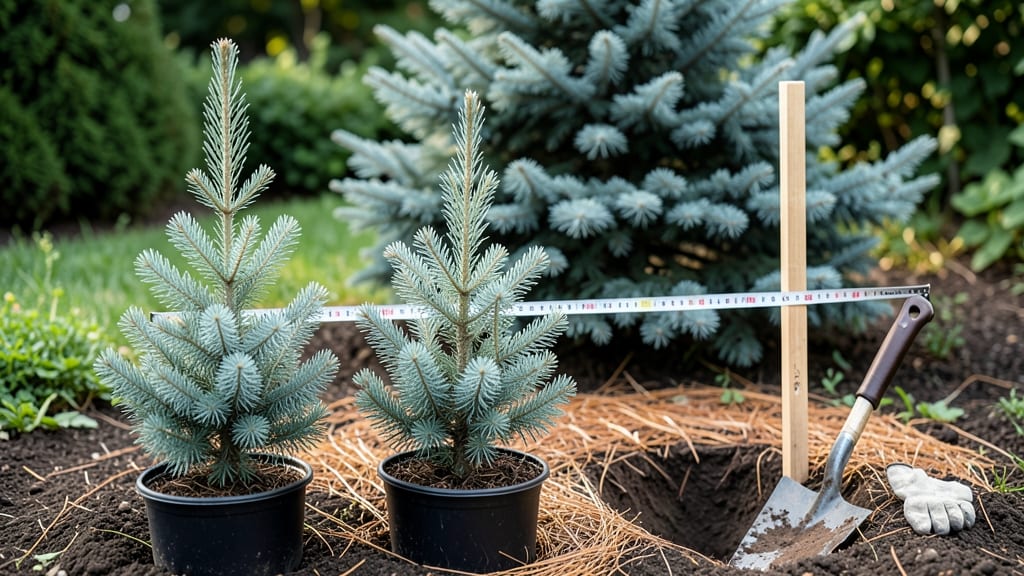
Planting blue spruce how far apart to plant them too close slows their growth, crowds out their branches, and invites disease—but getting the spacing right is easier than you think. Struggling to decide how far apart to…
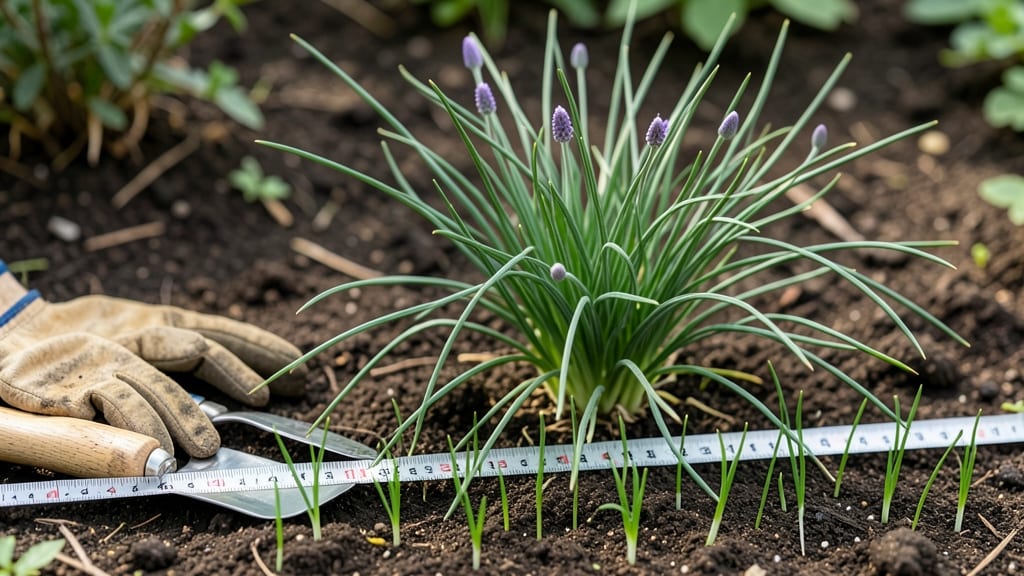
Planting chives 6 to 12 inches apart is the secret to a thriving, productive patch that keeps coming back year after year. Struggling to decide how far apart to plant chives? Get it wrong, and your garden could end up…