
Planting
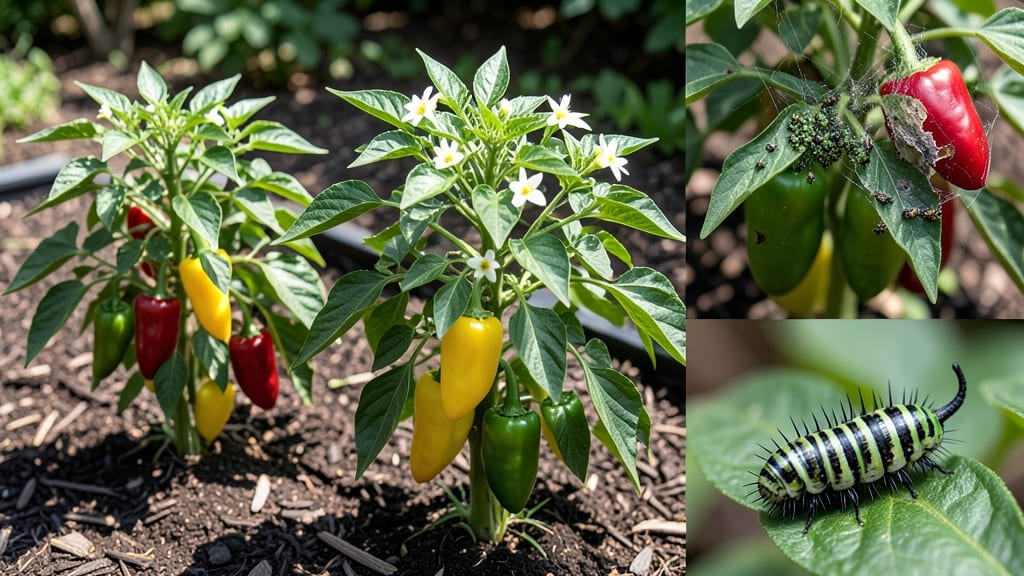
Seeing tiny black dots on your pepper plant pests pictures? 🌿 Those are often spider mites—and catching them early can save your harvest. This guide shows you 15 common pepper pests through clear images, so you’ll recognize damage before it spreads.
No more guessing what’s chewing your plants or sucking their sap dry.
Every pest leaves a signature: aphids cluster on stems, hornworms skeletonize leaves overnight, and flea beetles create Swiss-cheese holes. I’ve included close-up shots of these telltale signs, plus life cycle stages so you know when to act. The goal? Protect your peppers without harsh chemicals.
You’ll learn quick fixes like neem oil for soft-bodied pests or row covers for flea beetles, plus long-term strategies to make your plants less appealing. By the end, you’ll spot threats faster than they can multiply—and your peppers will stay lush and productive all season.
Works for all pepper varieties, from sweet bell peppers to spicy jalapeños. Whether you’re a container gardener or growing in the ground, this visual guide keeps your plants thriving. Let’s get those pests identified—and defeated!
Root Causes Of Pepper Pests
Understanding why pests target your pepper plants is the first step in preventing infestations. These tiny troublemakers don’t just appear out of nowhere—they’re drawn by specific conditions that make your plants look like an all-you-can-eat buffet.
Let’s break down the science behind their attraction and how your garden might be unknowingly inviting them.
Pepper plants, like all living things, have natural defenses against pests. But when these defenses are compromised, insects and diseases move in like uninvited guests at a dinner party. Here’s why your plants might be vulnerable:
- Nutrient Deficiencies 📊 When your peppers lack essential nutrients—especially nitrogen, phosphorus, or potassium—their leaves become less tough and more appealing to pests. For example, aphids and spider mites thrive on stressed plants because their weakened cell walls make it easier to pierce and feed on sap.
- Overwatering or Underwatering 💧 Both extremes create stress. Overwatered soil leads to soft, mushy roots, while underwatered plants develop thick, brittle leaves. These conditions attract fungal pests like root-knot nematodes (which love waterlogged roots) and thrips (which prefer dry, crispy leaf edges).
- Physical Damage ⚔️ Broken stems, torn leaves, or wounds from pruning create entry points for bacteria, fungi, and insects. Even hornworms start their damage by chewing leaves, leaving behind jagged edges that attract secondary pests like bacterial leaf spot.
Pests don’t just target weak plants—they’re also drawn to environments that mimic their natural ecosystems. Your garden might be accidentally creating a five-star resort for them.
- High Humidity & Stagnant Air 🌫️ Fungal pests like powdery mildew and downy mildew love damp, still air. These conditions allow spores to spread effortlessly, smothering leaves in a white or gray fuzzy coating. Peppers with poor air circulation (common in dense plantings or greenhouses) are prime targets.
- Warmth & Moisture Combo 🌡️ Many pests, including aphids and whiteflies, thrive in temperatures between 70–85°F (21–29°C) with high humidity. If your garden stays in this sweet spot for pests, they’ll reproduce rapidly. Solution: Use shade cloth in hot climates or improve airflow with spacing.
- Organic Debris & Mulch Buildup 🍂 Leaves, stems, and old mulch provide hiding spots and food for pests like cutworms, slugs, and earwigs. Even "clean" mulch can harbor eggs or larvae over winter, waiting to hatch when conditions are perfect.
Some pests are drawn to specific parts of your pepper plant—whether it’s the scent, the sap, or the texture. Here’s what makes your peppers look like a buffet:
- Sweet & Sticky Sap 🍯 Aphids, whiteflies, and mealybugs are sap-suckers. They’re attracted to the sugary exudates (like honeydew) that peppers produce, especially when stressed. Once they start feeding, they leave behind sticky residue that attracts sooty mold—a black fungal growth that blocks sunlight.
- Soft New Growth 🌱 Young, tender leaves and flower buds are a favorite snack for hornworms, cabbage loopers, and Japanese beetles. These pests avoid mature, fibrous leaves because they’re harder to chew.
- Root Exudates & Fungal Signals 🍄 Root-knot nematodes and fungal pathogens are drawn to the chemical signals peppers release into the soil. Healthy roots emit compounds that repel pests, but stressed roots (from over-fertilizing or compacted soil) send out distress signals that attract trouble.
Pro Tip: 💡 Rotate your planting location every 2–3 years to disrupt pest life cycles. Many soil-borne pests and diseases thrive in the same spot because they’ve adapted to the residue left by previous pepper crops.
Quick Fixes for Pepper Plant Pests
Pests can turn your thriving pepper plants into a battleground, but don’t panic—most issues have straightforward solutions! Below, we’ve mapped common pests to their fixes, including prevention tips to keep your plants healthy long-term. Whether you’re dealing with chewers, suckers, or sap-sippers, these methods are easy, effective, and garden-friendly.
Fix: These sap-sucking pests cluster on new growth, leaving sticky residue (honeydew). Here’s how to evict them:
- 🔥 Blast them off with a strong spray of water (early morning works best).
- 🍳 Soap it up: Mix 1 tbsp mild dish soap + 1 quart water in a spray bottle. Test on a small leaf first—aphids will drop within minutes.
- 👨🍳 Introduce predators: Ladybugs and lacewings love aphids. Buy them online or attract them with neem oil (spray lightly at dusk).
💡 Prevention tip: Plant marigolds or basil nearby—their strong scents repel aphids naturally.
Fix: These microscopic pests thrive in dry heat, spinning fine webs on undersides of leaves. Combat them with:
- 🌡️ Increase humidity: Mist plants daily or place a tray of water near them.
- 🔪 Neem oil spray: Mix 1 tbsp neem oil + 1 tsp mild soap + 1 quart water. Spray both sides of leaves every 5–7 days.
- 🎯 Hose them down: A hard spray of water (not just misting) can dislodge them physically.
✨ Pro tip: Yellow sticky traps catch adult mites—place them near plants to monitor infestations early.
Fix: These caterpillars chew stems at ground level, toppling young plants overnight. Stop them with:
- 🥘 Collar defense: Wrap the base of stems with cardboard collars (cut from a cereal box) or aluminum foil.
- 🔪 Handpick at night: Shine a flashlight after dusk—cutworms are sluggish and easy to spot.
- 🌱 Beer bait trap: Bury a small cup filled with beer near plants. The scent attracts cutworms, drowning them.
💡 Prevention tip: Avoid overwatering—cutworms love damp soil. Water at the base, not overhead.
Fix: These tiny black beetles leave shotgun-like holes in leaves. Trap and deter them with:
- 🍳 Yellow pan traps: Fill shallow yellow pans with soapy water. Beetles are drawn to the color and drown.
- 🔪 Row covers: Use floating fabric row covers (like Agribon) to block adults from laying eggs.
- 🌱 Interplant with herbs: Dill, cilantro, or fennel confuse beetles with their strong fragrances.
✨ Pro tip: Early planting trick: Start peppers indoors or use seedling trays until they’re 4–5 inches tall—beetles target smaller plants.
Fix: These striped caterpillars can defoliate a plant in days. Remove them manually with:
- 🔪 Gloved hands: Pick them off (they’re harmless to humans!) and drop them in soapy water.
- 🕷️ Parasitic wasps: Let nature help! Braconid wasps lay eggs in hornworms—they’ll turn white with tiny holes (a sign the pests are under control).
- 🌱 BT spray: Apply Bacillus thuringiensis (BT)—a natural bacteria that kills caterpillars without harming other insects.
💡 Prevention tip: Remove egg masses (tiny green ovals on leaves) before they hatch.
Fix: These tiny white moths flutter when disturbed and excrete sticky honeydew. Eliminate them with:
- 🌡️ Yellow sticky cards: Hang them above plants to trap adults.
- 🔪 Neem oil or insecticidal soap: Spray undersides of leaves where they hide.
- 🎯 Reflectant mulch: Cover soil with aluminum foil or silver plastic—whiteflies dislike bright surfaces.
✨ Pro tip: Coffee grounds sprinkled around plants deter whiteflies with their strong smell.
Keep pests at bay with these low-effort habits:
- 🔍 Inspect plants weekly: Catch problems early when they’re easier to treat.
- 🌿 Rotate crops: Avoid planting peppers in the same spot yearly to disrupt pest life cycles.
- 💦 Water wisely: Morning watering (not evening) reduces humidity, making plants less appealing to fungi and mites.
- 🌱 Healthy soil = strong plants: Use compost and balanced fertilizer to boost pepper resilience.
Remember: Most pests are manageable with early action and natural methods. If an infestation persists, combine 2–3 fixes (e.g., soap spray + row covers) for better results. Happy gardening! 🌱🔥
Frequently asked questions
How can I tell if the tiny black dots on my pepper leaves are spider mites or just dirt?
Spider mites are usually moving when you examine leaves closely (use a magnifying glass or phone camera). They create fine webbing on undersides, while dirt stays stationary. Tap your leaf—if black specks scatter, they’re likely mites. Also check for yellow stippling on leaves, a classic mite damage sign.
What’s the fastest way to confirm if my pepper plants have aphids?
Look for clusters of tiny green/black bugs on new growth or leaf undersides. Run your finger along stems—aphids will leave behind sticky residue (honeydew). If you see ants crawling on your plants, that’s a dead giveaway: ants farm aphids for their honeydew secretions.
Can I use the same pictures to identify pests on my tomato plants too?
Most pest pictures work for both peppers and tomatoes since they share many threats (aphids, hornworms, spider mites). However, tomato-specific pests like tomato fruitworms or tomato hornworms (larger green caterpillars) need different visual references. Always check for plant-specific damage patterns—tomatoes often show fruit damage while peppers suffer leaf skeletonization.
Why do some pest pictures show webs while others don’t?
Webbing appears with spider mites and whiteflies—these pests create silk strands for protection. Other pests like flea beetles or hornworms don’t produce webs. The presence (or absence) of webbing helps narrow down your identification. Always examine both leaf surfaces and check soil for hidden pests like cutworms.
How often should I check my pepper plants for pests if I don’t see any yet?
Inspect your plants weekly during growing season, focusing on new growth where pests love to hide. Early morning is best—pests are sluggish then. For high-risk gardens (near wooded areas or previous infestations), check every 3-4 days. Remember: the earlier you spot pests, the easier they are to control before they multiply.