
Planting
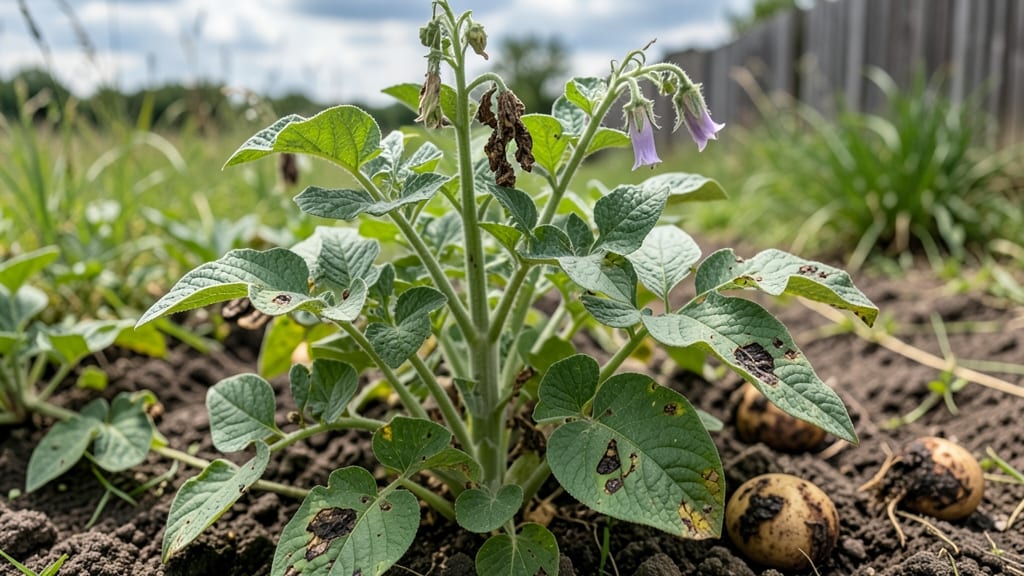
When the potato plant problems of wilting overnight or rotting before harvest strike, it’s not just bad luck—it’s a fixable pattern. 🌱 I've seen blight turn a thriving hill into a sad, mushy mess, but the right moves can save your crop (and your sanity).
The key is acting fast: spot the symptoms early, identify the culprit (often blight, wireworms, or soggy soil), and apply targeted solutions before the problem spreads.
Most issues boil down to three things: too much moisture, poor airflow, or hungry pests. My go-to fix for blight? Copper fungicide sprays every 7-10 days once you see the first dark spots.
For wireworms, I swear by diatomaceous earth around the base of plants—it's non-toxic but deadly to those grubs. Even nutrient deficiencies (like yellowing leaves) have simple fixes: a side-dressing of compost or fish emulsion works wonders.
You'll see dramatic turnarounds in just days with the right approach. Plants perk up, tubers stop rotting, and you'll actually get that harvest you planted for. The best part? These solutions work for both backyard hills and container-grown potatoes, so no matter your setup, you're covered.
Here's the game-changer: prevention. Rotate crops yearly, avoid overhead watering, and test your soil before planting. It's the difference between a 50% loss and a near-perfect harvest. Let's get those potatoes thriving again.
Root Causes of Potato Plant Struggles
Understanding why your potato plants develop issues like blight, rot, or stunted growth starts with digging into the science behind these problems. 🌱🔍 Most potato plant problems stem from environmental stress, microbial attacks, or poor growing conditions.
Below, we break down the key culprits and why they wreak havoc on your spuds.
Potatoes thrive in well-drained soil, but too much moisture—especially in poorly aerated beds—creates the perfect storm for waterlogged roots and fungal infections. When soil stays soggy for days, oxygen can’t reach the roots, weakening the plant’s defenses.
This invites pathogens like Phytophthora infestans (the fungus behind late blight) to take hold.
Why it happens:
- Excessive irrigation or heavy rainfall without drainage leads to anaerobic (oxygen-deprived) soil.
- Compacted or clay-heavy soil traps water, preventing roots from breathing.
- Overcrowded plants compete for nutrients and moisture, slowing water evaporation and increasing humidity around foliage.
Pro tip: 💡 Use raised beds with sandy loam or add perlite to improve drainage. Water deeply but infrequently—potatoes prefer dry tops and moist soil.
Potato plants are susceptible to blight, scab, and soft rot, often triggered by fungi or bacteria lurking in soil or splashing up from wet leaves.
Why it happens:
- **Late blight (Phytophthora infestans) thrives in cool (60–75°F), humid conditions and spreads via wind or water droplets. It targets leaves first, then stems, and finally tubers.
- Early blight (Alternaria solani) thrives in hot, dry weather and enters through wounds or stomata (leaf pores).
- Bacterial soft rot (Pectobacterium spp.) multiplies in warm, wet environments, breaking down cell walls and turning tubers mushy.
- Potato scab (Streptomyces scabies) flourishes in alkaline soil (pH >5.2)** and dry conditions, creating rough, unsightly bumps on tubers.
Pro tip: 🌡️ Rotate crops annually and avoid overhead watering to reduce fungal spores. Test soil pH—aim for 5.0–5.5 to deter scab.
Potatoes are heavy feeders, and nutrient imbalances—especially nitrogen, potassium, or boron deficiencies—weaken plants, making them vulnerable to pests and disease.
Why it happens:
- Too much nitrogen promotes lush foliage but delays tuber formation and reduces disease resistance.
- Low potassium weakens cell walls, making plants more susceptible to rot and blight.
- Boron deficiency (common in sandy soils) causes blackened, cracked tubers and stunted growth.
- Magnesium deficiency (often in acidic soils) leads to yellowing leaves, reducing photosynthesis and energy for root development.
Pro tip: 📊 Soil test before planting! Amend with compost (for organic matter) and a balanced fertilizer (e.g., 10-10-10). Avoid fresh manure near harvest—it can increase rot risk.
Insects like colorado potato beetles, wireworms, and aphids don’t just eat leaves—they create entry points for pathogens. Even mechanical damage (e.g., from hilling or harvesting tools) can introduce infections.
Why it happens:
- Beetles and aphids chew leaves, creating wounds where fungi like Phytophthora can invade.
- Wireworms burrow into tubers, making them prone to secondary rot.
- Harvesting too early or roughly bruises potatoes, accelerating spoilage.
Pro tip: ✨ Use row covers early in the season to block beetles. Handpick pests and hill soil gently to avoid damaging stems.
Extreme temperatures, heat stress, or sudden temperature swings can shock potato plants, weakening their immune response.
Why it happens:
- Heat waves (>90°F) cause sunscald on tubers near the soil surface, making them prone to rot.
- Cold snaps slow metabolism, reducing the plant’s ability to fight off pathogens.
- High humidity (especially at night) encourages fungal spores to germinate.
Pro tip: 🌡️ Plant in well-drained, slightly shaded spots if your climate is hot. Mulch with straw to moderate soil temps.
Fixing Common Potato Plant Issues
Potato plants can be tough, but even the hardiest crops face challenges like blight, rot, pests, or poor growth. The good news? Most problems have simple, effective fixes—if you act fast. Below, we’ve mapped out the best solutions for each issue, plus tips to keep your spuds thriving.
🔥 Remove infected plants immediately – Snip off yellowing or spotted leaves (don’t compost them—dispose of them in a sealed bag). Fungal spores spread like wildfire, so containment is key.
🍳 Spray with copper or fungicide – Mix 1 tbsp baking soda + 1 tsp dish soap + 1 quart water for a mild preventative spray. For severe cases, use a copper fungicide (like Bordeaux mixture) every 7–10 days. Apply in the early morning or evening to avoid burning leaves.
👨🍳 Improve airflow & sunlight – Space plants 12–18 inches apart and avoid overhead watering (use drip irrigation instead). Mulch with straw or grass clippings (not wood chips) to keep soil dry.
⏰ Rotate crops – Never plant potatoes in the same spot next year. Wait 3–4 years before replanting to break the fungal cycle.
💡 Pro Tip: If blight hits, harvest any mature tubers immediately—they may still be safe to eat if the skin is unblemished!
🔪 Prune damaged foliage – Remove any leaves with black, mushy spots (a sign of bacterial soft rot). Sterilize pruners with rubbing alcohol between cuts.
🌡️ Adjust watering habits – Potatoes hate soggy soil! Water deeply 1–2 times per week (about 1 inch total) instead of daily shallow watering. If your soil drains poorly, raise beds or mix in compost + perlite.
🎯 Fix drainage issues – Amend clay soil with sand or coconut coir. If planting in containers, use pots with drainage holes and a well-draining mix (50% potting soil, 30% compost, 20% perlite).
✨ Prevent future rot – Plant in well-drained, slightly acidic soil (pH 5.0–6.5). Avoid over-fertilizing with nitrogen—too much greenery = more rot-prone tubers.
🍳 Handpick beetles & larvae – Check leaves daily (especially undersides) and drop pests into soapy water. For large infestations, use neem oil spray (mix 2 tbsp neem oil + 1 tsp soap + 1 quart water).
👨🍳 Use row covers early – Install floating row covers at planting to block beetles. Remove only during pollination (if growing seed potatoes).
🔪 Trap wireworms – Place grated potatoes or carrots in the soil overnight—wireworms will gather, making them easier to remove. For severe cases, rotate crops (wireworms target potatoes, corn, and beans).
💡 Pro Tip: Diatomaceous earth (food-grade) works for aphids—sprinkle lightly on leaves (reapply after rain).
📊 Test your soil – Potatoes need balanced nutrients. If soil lacks potassium or phosphorus, add bone meal or greensand at planting. Overdoing nitrogen = leafy plants, few tubers.
💪 Hill soil regularly – Pile soil around stems (up to the first leaves) every 2–3 weeks to encourage deeper tuber formation. This also prevents greening (toxic solanine buildup).
🥗 Avoid overcrowding – Thin seedlings to 12 inches apart in rows 3 feet apart. Too many plants = competition for nutrients and air circulation.
✨ Boost with compost tea – Brew compost tea (steep compost in water for 24–48 hours) and use as a foliar spray or soil drench for a nutrient boost.
Before your next potato planting, run through this quick checklist to minimize future problems: - Rotate crops – Never plant potatoes, tomatoes, or peppers in the same spot two years in a row. - Solarize soil – Cover beds with clear plastic for 4–6 weeks in summer to kill fungus and pests. - Choose resistant varieties – Opt for blight-resistant types like ‘Red Pontiac’ or ‘Kennebec’ if your area is prone to disease. - Plant at the right time – Wait until soil is 45°F+ and frost-free.
Early planting = more blight risk. - Monitor weather – If rain is forecast, cover plants with tarps to reduce humidity (blight’s best friend).
With these fixes, your potato patch should bounce back stronger than ever. Act fast when you spot trouble, and your harvest will thank you! 🥔✨
Frequently asked questions
Why are my potato leaves turning yellow and wilting overnight?
This is often a sign of late blight or early blight, especially if you've had recent rain or high humidity. The fungus spreads rapidly in these conditions, causing leaves to yellow and wilt within 24-48 hours. Remove infected plants immediately and apply a copper fungicide spray every 7-10 days to stop the spread.
What should I do if my potato tubers are rotting in the ground?
Rotting tubers usually mean bacterial soft rot or waterlogged soil. First, stop watering immediately and improve drainage by adding compost or perlite to the soil. If the rot is widespread, harvest any salvageable tubers (those with firm skin) and compost the rest. For next year, plant in raised beds with well-draining soil.
How can I prevent Colorado potato beetles from destroying my plants?
Start with floating row covers at planting to block adult beetles from laying eggs. Once you see beetles, handpick them daily and drop them in soapy water. For large infestations, use neem oil spray (2 tbsp neem oil + 1 tsp soap per quart of water) every 5-7 days. Avoid chemical pesticides if you plan to eat the tubers.
Why do my potato plants have stunted growth and small tubers?
This typically indicates nutrient deficiency (often potassium or boron) or overcrowding. Thin seedlings to 12 inches apart and test your soil - potatoes need balanced nutrients. Add bone meal (for phosphorus) or greensand (for potassium) at planting time. Also ensure you're not over-fertilizing with nitrogen, which promotes leafy growth at the expense of tubers.
Can I still eat potatoes that show signs of blight on the leaves?
Yes, but only if the tubers themselves are unblemished. The blight fungus primarily attacks leaves and stems first. Harvest any mature tubers immediately, brush off excess soil, and store them in a cool (40-50°F), dark place. Discard any tubers with soft spots or dark streaks, as these may contain the fungus.