
Planting
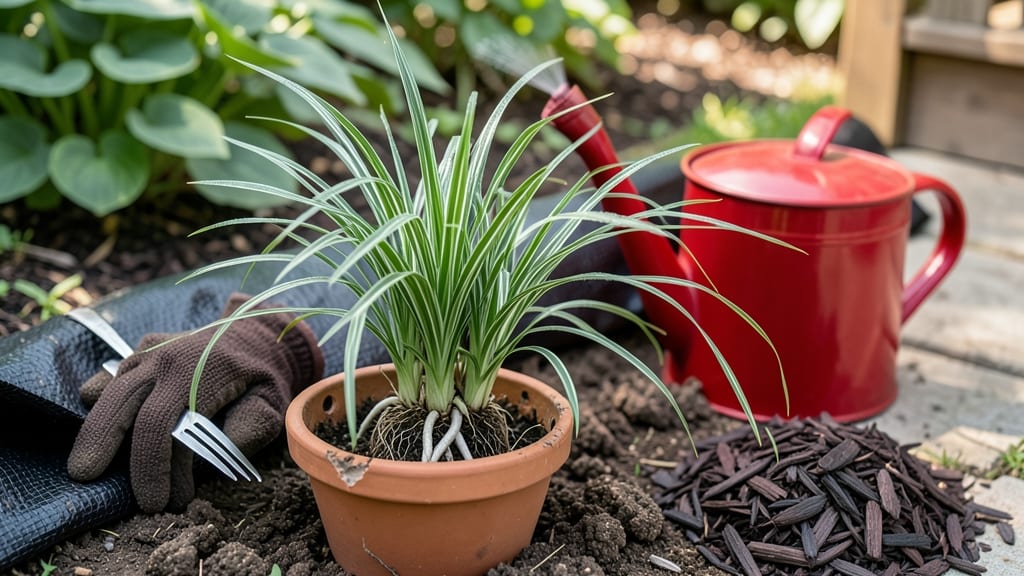
Transplanting ornamental grass at the right time turns a risky move into a foolproof upgrade for your landscape. 🌿 I’ve moved clumps of fountain grass, maiden grass, and feather reed grass—even the ones that looked like they’d never recover—and they’ve bounced back with lush, vibrant foliage.
The key is timing, prep, and a little patience. Start in early spring or fall when the grass is dormant but still has roots. Water the area thoroughly 24 hours before to loosen the soil and reduce shock.
Dig a hole twice as wide as the clump’s root ball, then carefully lift it, keeping as much soil attached as possible. The goal is to minimize root damage so your grass recovers faster.
After transplanting, water deeply to settle the roots, then keep the soil consistently moist for the first two weeks. Prune any dead or damaged foliage before moving it, and avoid fertilizing until new growth appears.
With proper care, your ornamental grass will look better than ever in just a few weeks. Works for any ornamental grass type, from low-growing varieties to towering specimens. Here’s how to do it right—no guesswork, just results. Let’s get those clumps looking fresh again!
📚 In This Guide
- What you need
- Instructions
- Tips and common mistakes
- Wrapping up and next steps
What you need
- ● Ornamental grass plants: 1-5 (depending on your garden size; choose healthy, established clumps with roots intact).
- ● Garden shovel or spade: 1 (for digging trenches or holes).
- ● Pruning shears or sharp knife: 1 (to trim dead foliage or roots if needed).
- ● Garden hose or watering can: 1 (with a gentle spray nozzle for hydration).
- ● Compost or well-aged manure: 1-2 gallons (to enrich the soil).
- ○ Mulch (optional but recommended): 2-3 inches of organic mulch (e.g., shredded bark or straw).
- ● Garden gloves: 1 pair (to protect your hands).
- ● Measuring tape or ruler: 1 (to ensure proper spacing—typically 18-36 inches apart, depending on the grass type).
- ● Transplanting spade or dibber: For precision when creating planting holes.
- ● Slow-release fertilizer: A handful (to give your grass a nutrient boost).
- ● Soil tester kit: To check pH levels (ideal range: 6.0-7.0 for most ornamental grasses).
- ● Plant stakes or labels: To mark new plantings (especially useful in larger gardens).
- ● Anti-transpirant gel: A small bottle (to reduce stress on the grass during transplanting).
Step-by-step instructions for transplanting ornamental grass
Here's how I move ornamental grass with minimal stress and maximum success—no green thumb required.
🪴 Step 1: Prepare the New Location and Dig Up Carefully
Choose a spot with similar sunlight exposure to where the grass currently grows—most ornamental grasses thrive in full sun to partial shade. Water the area thoroughly 24 hours before transplanting so the soil is moist but not soggy. This helps reduce shock when you move the plants.
Use a sharp spade to dig around the clump in a 12-inch diameter circle, cutting straight down about 6-8 inches deep. Lift the entire root ball gently, trying to keep as much soil attached as possible. If the roots break, don't worry—just trim any damaged sections with clean shears. The goal is to move the plant with as little disturbance as possible.
💧 Step 2: Replant at the Same Depth and Water Thoroughly
Place the ornamental grass in its new location, ensuring the top of the root ball sits level with the surrounding soil. Fill in around the base with native soil, pressing lightly to remove air pockets. Avoid packing the soil too firmly—you want it snug but not compacted.
Water immediately after planting with 1-2 gallons of water per clump to settle the soil and encourage root contact. Let the water soak in completely, then water again lightly to ensure moisture reaches all the way down. Mulch with 1-2 inches of organic mulch (like shredded bark) to retain moisture and protect the roots.
☀️ Step 3: Provide Care and Monitor for Recovery
Keep the transplanted grass consistently moist for the first 2-3 weeks—water when the top inch of soil feels dry to the touch. Avoid fertilizing during this time; the plant needs to focus on establishing roots, not new growth. If you notice leaves wilting or turning brown, it’s a sign of stress, but don’t panic—this is normal as long as the roots stay moist.
After 4-6 weeks, when you see new growth emerging from the center, you can resume normal watering and fertilizing. This is your cue that the grass has taken root and is ready to thrive in its new home. Most ornamental grasses bounce back quickly, but patience during the first few weeks makes all the difference.
Tips & tricks for transplanting ornamental grass
These simple tricks will help your ornamental grass take root faster and thrive in its new home with minimal stress.
The 24-Hour Watering Secret: The 24-hour pre-watering isn't just about moisture—it's about giving your grass a hydration boost before the move. Think of it like a good night's sleep before a big day. Water deeply enough that the soil feels damp about 6 inches down, not just at the surface. This ensures the roots are plump and ready for transplanting, reducing shock significantly.
Root Ball Rescue: When digging that 12-inch circle, don't panic if roots break. Trim any damaged sections with clean shears, but here's the trick: leave about 1 inch of root stubs—this encourages new root growth faster. Also, if your grass has long, straggly roots, gently tuck them back into the root ball before replanting. It's like giving your plant a nice, snug blanket to settle into.
Watering Wisdom: Those 1-2 gallons of water after replanting might seem like a lot, but it's crucial. Pour the water slowly in a circle around the base, letting it soak in completely. Then, that second light watering ensures moisture reaches all the way to the bottom of the root ball. This two-step process mimics natural rainfall and helps roots establish contact with the new soil more effectively.
Mulch Magic: The 1-2 inches of organic mulch isn't just for looks—it's a protective shield. Spread it out evenly, but keep it about an inch away from the grass stems to prevent rot. This layer helps maintain consistent moisture and regulates soil temperature, which is especially helpful during those first critical 2-3 weeks. Plus, it keeps weeds at bay while your grass focuses on rooting.
Pro Tips for Transplant Ornamental Grass
- These simple tricks will help your ornamental grass take root faster and thrive in its new home with minimal stress.
- The 24-Hour Watering Secret: The 24-hour pre-watering isn't just about moisture—it's about giving your grass a hydration boost before the move.
- Root Ball Rescue: When digging that 12-inch circle, don't panic if roots break.
Frequently asked questions
Got questions about transplanting ornamental grass? You’re not alone! Here are some of the most common concerns—plus quick, expert-backed answers to keep your grass thriving.
When is the best time to transplant ornamental grass?
The ideal window is early spring or early fall when temperatures are mild (50–70°F). Avoid extreme heat or frost—these stress plants and reduce root establishment. If you must transplant in summer, do it in early morning or late evening to minimize sun exposure.
How often should I water newly transplanted ornamental grass?
Water daily for the first 2 weeks to keep soil consistently moist (not soggy). After that, taper to every 2–3 days, adjusting for your climate. Deep watering (1–2 inches per session) encourages strong root growth. Pro tip: Use a soaker hose to avoid disturbing delicate roots!
Can I transplant ornamental grass in full sun or shade?
Most ornamental grasses thrive in full sun (6+ hours/day), but varieties like Carex or Hakonechloa prefer partial shade. Check your grass’s care tag—if it’s wilting or browning, it may need shade adjustments. Troubleshooting: Yellowing leaves? It could signal overwatering or poor drainage.
What’s the easiest way to transplant without damaging the roots?
Dig a hole twice as wide as the root ball and 1–2 inches shallower than the container. Gently loosen roots if pot-bound, then place the grass in the hole, backfill with native soil, and water thoroughly. Mulch lightly (1–2 inches) to retain moisture and protect roots.
Are there alternatives if my ornamental grass dies after transplanting?
Don’t toss it! Try reviving it with these steps:
- Trim dead foliage to 1/3 of its height to reduce stress.
- Check for pests (like spider mites) or fungal issues (brown spots = overwatering).
- Amend soil with compost if drainage is poor.
Wrapping up and next steps
Transplanting ornamental grass is a rewarding way to refresh your landscape with minimal effort—just follow the right steps! 🌱 Whether you’re reviving a tired patch or expanding your garden’s texture, the key lies in timing, careful handling, and a little patience.
With the right tools and techniques, your grass will thrive, adding year-round interest and elegance to your outdoor space.
Ready to take the next step? Mark your calendar for the ideal transplanting window (early spring or fall) and gather your supplies. Then, roll up your sleeves—your garden’s bold foliage revival is just a few hours away! 💪