
Plants
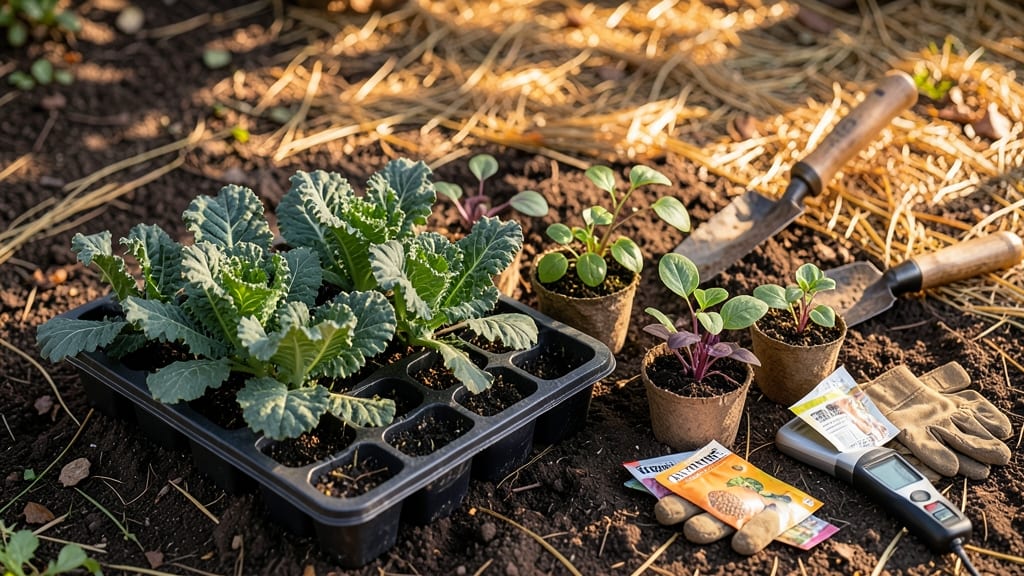
Planting in fall lets your garden establish roots before winter, with exact timing depending on plant types and your local climate: cool-season vegetables like lettuce and spinach grow best when soil temperatures fall below 80°F, while perennials and bulbs should be planted 4-6 weeks before the first frost. Always verify your USDA zone for the most accurate schedule.
Fall planting isn't just about timing—it's about giving plants a head start before winter dormancy. The key is understanding your local frost dates and soil conditions. Cool-season crops like broccoli and carrots actually prefer the cooler temperatures, while perennials and bulbs need time to root before the ground freezes.
I've found that checking your USDA zone and local weather forecasts 4-6 weeks out gives the most reliable planting window. For example, Zone 6 gardeners might plant garlic in October, while Zone 8 can extend planting into November.
What's interesting is how different plants respond to fall's changing conditions. Some, like radishes, mature quickly enough to harvest before winter, while others, like pansies, thrive through mild winters.
The soil temperature threshold (80°F) isn't just a random number—it's when these cool-loving plants finally feel comfortable growing.
This is why timing matters so much: plant too early, and you might get leggy, weak seedlings; plant too late, and your plants won't establish properly before winter sets in. 💫
💡 In This Article
- Fall Planting Timing by USDA Climate Zones
- Best Fall Plants for Cool-Season Gardens
Fall planting timing by USDA climate zones
Your USDA zone determines when to plant in fall because it directly correlates with your first frost date—the critical cutoff for most cool-season crops. For example, Zone 3 (with frost dates as early as mid-September) requires planting by early August, while Zone 10 (rarely freezing) allows planting through November.
The National Oceanic and Atmospheric Administration (NOAA) tracks these dates, showing that northern zones have only 60-90 days of growing season after summer, while southern zones enjoy 120-150 days.
This explains why broccoli thrives when planted in late summer in Zone 5 but can wait until October in Zone 7.
The science behind this timing involves vernalization—a process where some plants need cold exposure to trigger flowering or dormancy. Garlic, for instance, needs 40-60 days below 40°F to form bulbs properly.
In Zone 4, this means planting by mid-September, while Zone 8 can extend planting to early November. Soil thermometers show that temperatures drop below 60°F at different rates: northern regions hit this threshold by late September, while southern climates may not until November.
This temperature shift signals cool-season crops it's time to grow.
What most gardeners overlook is how microclimates within your zone can shift planting windows by 2-4 weeks. A south-facing slope in Zone 6 might stay 5°F warmer than the surrounding area, allowing you to plant kale 2 weeks later than your neighbor.
Similarly, urban areas with heat islands can delay frost by 7-10 days compared to rural zones. To account for this, I recommend checking local weather stations or using apps like PlantNet that overlay frost maps with your specific location.
For bulbs like tulips and daffodils, the rule is 6-8 weeks before ground freeze, but this varies dramatically.
In Zone 5 (where soil freezes by mid-November), planting should occur by late September, while Zone 9 (where frost may not come until December) can plant until early November.
The key measurement here is soil temperature at 4 inches deep—when it consistently stays below 50°F, bulbs have enough time to establish roots before winter dormancy begins. This explains why some gardeners in Zone 7 get away with planting spring bulbs in December—their soil stays workable longer.
Here's how to apply this to your garden: Start by finding your average first frost date (available through the USDA Plant Hardiness Zone Map), then subtract the days to maturity for your chosen plants.
For example, radishes mature in 25 days, so in Zone 4 (first frost September 20), you'd plant by August 6. For slower growers like Brussels sprouts (90 days), Zone 5 gardeners should plant by late July to harvest before winter.
This method ensures you're working with the natural growing window your climate provides.
One advanced technique is using row covers to extend your fall planting window by 3-4 weeks. These create a microclimate that delays frost by 4-8°F, allowing you to plant lettuce in Zone 6 as late as mid-October instead of September.
The covers also protect young plants from radiation frost—when temperatures drop below freezing but the ground stays warmer. This is particularly useful for biennials like carrots and parsnips, which need to establish strong roots before winter to produce sweet, high-quality harvests the following year. 🌱