
Plants
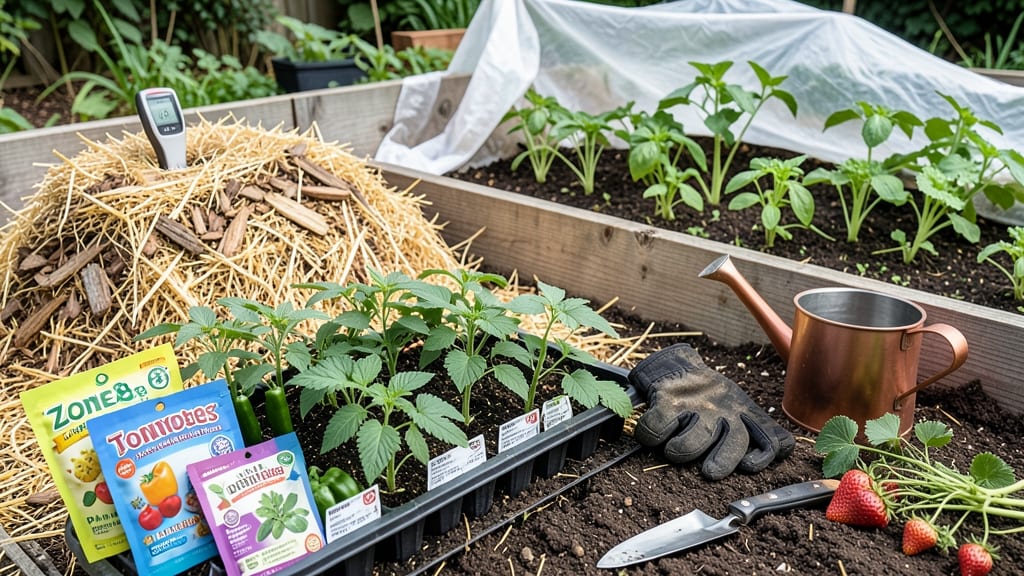
To plant in Zone 8, start after your last frost date—usually between mid-February and early April—with warm-weather crops like tomatoes and peppers beginning indoors 6-8 weeks earlier. Cool-season plants such as lettuce or broccoli need careful timing to avoid summer heat stress.
Timing your garden in Zone 8 means balancing frost risks with heat tolerance. The last frost date varies by location—coastal areas often warm up earlier than inland spots—so check your specific subregion (Zone 8a vs 8b) for precision.
For instance, tomatoes thrive when soil reaches 60°F, which typically happens by late March in most of Zone 8, but starting them indoors in January gives them a head start. 🌱 Cool-season crops like spinach or peas, however, need to be planted in early spring or late summer to avoid wilting in the peak heat.
Pro tip: Use a planting calendar that accounts for your microclimate—shady spots stay cooler longer, while sunny areas heat up faster. Many gardeners in Zone 8 also practice succession planting for crops like beans or zucchini to extend harvests through the summer.
💡 In This Article
- Zone 8 Frost Dates and Microclimate Variations
- Best Heat-Tolerant Vegetables and Flowers for Zone 8 Planting
Zone 8 frost dates and microclimate variations
Zone 8 spans a wide geographic range where frost timing can vary dramatically—sometimes by weeks—between coastal areas and inland locations. For example, coastal cities like San Diego (Zone 8b) typically see their last frost around February 15, while inland Phoenix (Zone 8a) often waits until March 15.
This difference occurs because coastal regions benefit from ocean currents that moderate temperatures, while inland areas experience more extreme temperature swings. 🌊 The USDA further divides Zone 8 into 8a (10-15°F average minimum) and 8b (15-20°F), which affects which varieties will survive unexpected late frosts.
Microclimates within your garden can shift planting windows by 2-3 weeks. South-facing slopes warm up faster than north-facing areas, and urban heat islands (like pavement or buildings) can raise soil temperatures by 5-10°F compared to rural fields.
To pinpoint your exact frost dates, use tools like the National Weather Service's frost prediction maps or PlantMaps.com, which overlay historical frost data with your address.
These tools account for elevation changes—every 1,000 feet of altitude can delay frost by about 3-5 days—so mountain gardens in Zone 8 often plant later than valley gardens.
What most gardeners overlook is how soil temperature lags behind air temperature. Even if daytime temps reach 70°F in March, soil may still be 55°F—too cool for warm-season crops like peppers (70°F minimum).
Use a soil thermometer to confirm readiness; most Zone 8 gardeners wait until soil hits 60°F for tomatoes or 65°F for cucumbers. This patience prevents stunted growth or poor germination, especially for seeds that need consistent warmth to sprout.
For cool-season crops like kale or carrots, the challenge isn't frost—it's summer heat stress. These plants bolt (go to seed) when daytime temps exceed 75°F for prolonged periods.
In Zone 8, that means planting lettuce in September-October for a winter harvest, or using shade cloth to protect seedlings during April-May heat waves. The key is matching plant heat tolerance to your local "shoulder seasons"—the 2-3 week periods between extreme heat and cold when conditions are just right.
Advanced gardeners in Zone 8 also track chill hours for fruit trees (like figs or loquats), which need 300-500 hours below 45°F annually. Without enough chill hours, trees may fail to fruit.
This is why some Zone 8 growers plant low-chill varieties (e.g., 'Desert King' fig) or use frost blankets to extend the growing season. The science here involves dormancy cycles: plants need cold periods to "reset" their growth hormones, even in warm climates.
Here's a quick reference for your microclimate adjustments:
- Coastal Zone 8b: Plant warm crops 2-3 weeks earlier than inland areas
- Inland Zone 8a: Wait until after April 1 for heat-lovers like okra
- Urban gardens: Soil warms 5°F faster than rural areas—test with a thermometer
- High elevation (+1,000 ft): Delay planting by 1-2 weeks
Remember: The 30-year average frost date is just a starting point. In recent years, climate shifts have pushed Zone 8 frost dates 1-2 weeks later in many regions. Always verify with local data—your neighbor's garden might not match your microclimate! 🌡️