
Planting
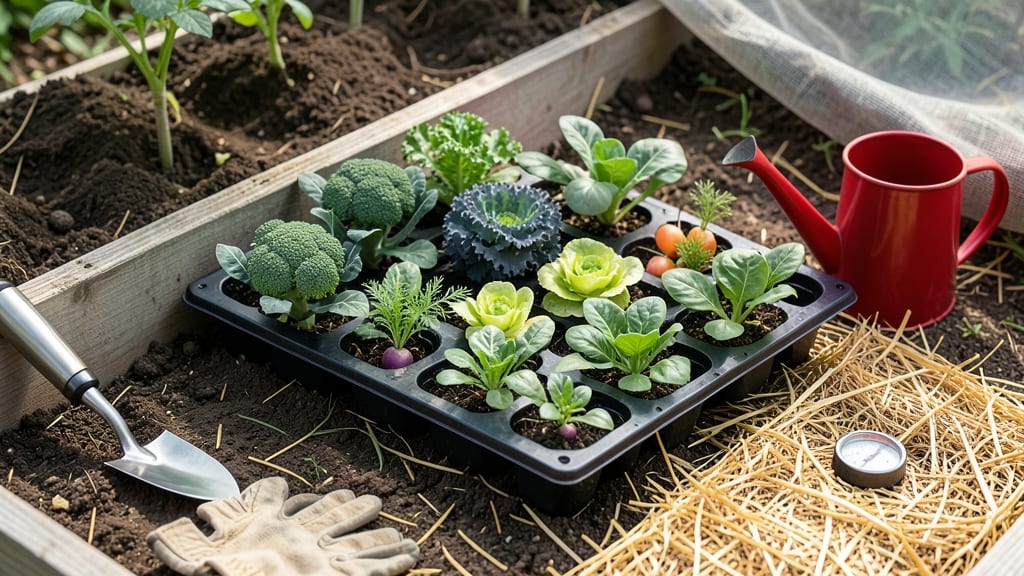
Planting a fall garden in Texas means timing is everything—mid-August to October is your sweet spot to beat the heat and set up a high-yield harvest before the first frost.
Texas gardeners know the summer heat can be brutal, but with the right timing, you can still grow a thriving fall garden—just as long as you plant at the perfect moment. The key is starting 6-8 weeks before your first frost, which varies wildly from North to South Texas.
Why does this matter? Because planting too early means wilting seedlings, while waiting too long risks stunted growth before cold snaps hit. The ideal window balances heat tolerance and cooling trends, ensuring your greens, roots, and herbs mature just in time for a bountiful fall table.
Below, I’ll break down the exact planting dates by region, the top heat-tolerant crops to prioritize, and pro tips for extending your harvest well past Thanksgiving. Let’s make this your most productive fall garden yet!
Optimal planting dates for fall vegetables in Texas by region
Texas's diverse climate means your fall planting window varies dramatically from North Texas to South Texas. In Zone 8a (Panhandle), you'll have earlier frost risks than Zone 10b (Rio Grande Valley), where winters are milder.
Timing your plantings correctly ensures you avoid scorching summer heat while maximizing cool-season growth before frost.
For all regions, start with soil preparation in late July or August. Work in 2-3 inches of compost and a balanced fertilizer (like 5-10-10) to replenish nutrients after summer crops.
This gives roots time to establish before cooler weather arrives. Heat-tolerant crops like collard greens and sweet potatoes can handle early plantings, while lettuce and broccoli need cooler soil.
Here’s how to align your planting with Texas’s three key regions for a high-yield fall harvest:
| Region & Zone | Last Frost Date | Ideal Planting Window | Heat-Tolerant Crops (Early) | Cool-Season Crops (Late) | Soil Prep Deadline |
|---|---|---|---|---|---|
| North Texas (Zones 7b-8a) | Mid-November to December 15 | August 15 - September 15 | Okra, Sweet Potatoes, Black-Eyed Peas | Broccoli, Kale, Spinach | July 31 |
| Central Texas (Zones 8a-8b) | December 1 - January 10 | August 1 - September 30 | Collard Greens, Southern Peas, Eggplant | Cabbage, Carrots, Radishes | August 15 |
| South Texas (Zones 9a-10b) | December 15 - January 31 | August 15 - October 15 | Jalapeños, Tomatoes, Malabar Spinach | Lettuce, Swiss Chard, Turnips | September 1 |
In North Texas, where frost arrives earliest, prioritize fast-maturing crops like radishes (30 days) or turnips (45 days). Plant broccoli and cauliflower by September 1 to ensure they mature before December 15. Use row covers to extend harvests into early winter.
Central Texas gardeners have more flexibility. Start heat-loving crops like okra in late July and transition to cool-season staples by mid-September. Collard greens and kale thrive when planted in August—they’ll sweeten with fall frosts but won’t bolt in the heat.
For South Texas, where frost is rare, you can push plantings later. Leafy greens like Swiss chard can be sown until October 15, and peppers may produce through December. However, soil temperatures above 85°F can stunt germination, so always water seeds deeply after planting.
Pro tip: Use shade cloth (30-50%) for early August plantings to protect seedlings from intense afternoon sun. This trick works especially well for lettuce and spinach, which can bolt in 90°F+ soil. Remove the cloth once daytime temps drop below 85°F.
Don’t forget about succession planting! In all regions, sow fast-growing crops like bush beans or radishes every 2-3 weeks after your initial planting. This ensures a continuous harvest until first frost. For example, plant radishes in early August, then again in late August and September.
Finally, monitor your local microclimate. Urban areas often retain heat longer
Best heat-tolerant fall crops for Texas gardens and their planting deadlines
Texas summers can feel endless, but with the right heat-tolerant crops, you can still grow a productive fall garden. These plants thrive in the lingering summer heat while setting the stage for cool-season harvests.
The key? Planting at the optimal window—too early, and the heat will stress seedlings; too late, and you’ll miss the harvest window before frost.
For Texas gardeners, the planting deadline for most fall crops falls between mid-August and early October, depending on your USDA zone. North Texas (Zone 8a) has stricter deadlines, while South Texas (Zone 10a) can push planting later.
Below are my top 8 heat-tolerant crops that deliver reliable yields in Texas’s challenging climate.
| Crop | Planting Deadline | Days to Harvest | Sun Needs | Key Tip |
|---|---|---|---|---|
| Okra | Late July - Early Sept | 50-65 days | Full sun | Harvest pods at 3-4 inches |
| Sweet Potatoes | Early June - Mid-Aug | 90-120 days | Full sun | Use black plastic mulch |
| Collard Greens | Mid-Aug - Late Sept | 50-60 days | Full sun | Tolerates light frost |
| Black-Eyed Peas | Late July - Early Sept | 60-70 days | Full sun | Direct sow after soil cools |
| Malabar Spinach | Early Aug - Mid-Sept | 45-55 days | Partial shade | Heat-loving alternative |
| Swiss Chard | Mid-Aug - Early Oct | 50-60 days | Full sun | Harvest outer leaves |
| Southern Peas | Late June - Early Sept | 60-90 days | Full sun | Fixes nitrogen in soil |
| Cantaloupe | Early July - Mid-Aug | 70-85 days | Full sun | Needs trellis for vines |
Okra and sweet potatoes are my top recommendations for Texas gardeners—they love the heat and produce abundantly before temperatures drop. Okra, in particular, thrives when planted in late July, giving it time to mature before cooler weather sets in. For sweet potatoes, start slips as early as June in South Texas, but wait until mid-August in North Texas to avoid bolting.
Leafy greens like collard greens and Swiss chard are heat-tolerant enough to handle Texas summers but perform best when planted in August. These greens will continue producing well into fall, even after temperatures dip. I’ve found that collards planted